Veins of Information: Channeling Inspection Insights into Sustained Venue Integrity Across Athletic Hubs

Inspection data moves through athletic venues like veins carrying essential nutrients, and facilities across community fields to professional stadiums rely on these channels to maintain structural soundness and operational continuity. Data collection begins with routine equipment verification alongside structural evaluations that identify wear patterns in seating areas, playing surfaces, and support frameworks before issues escalate into closures or safety incidents.
Data Pathways from Field to Decision Center
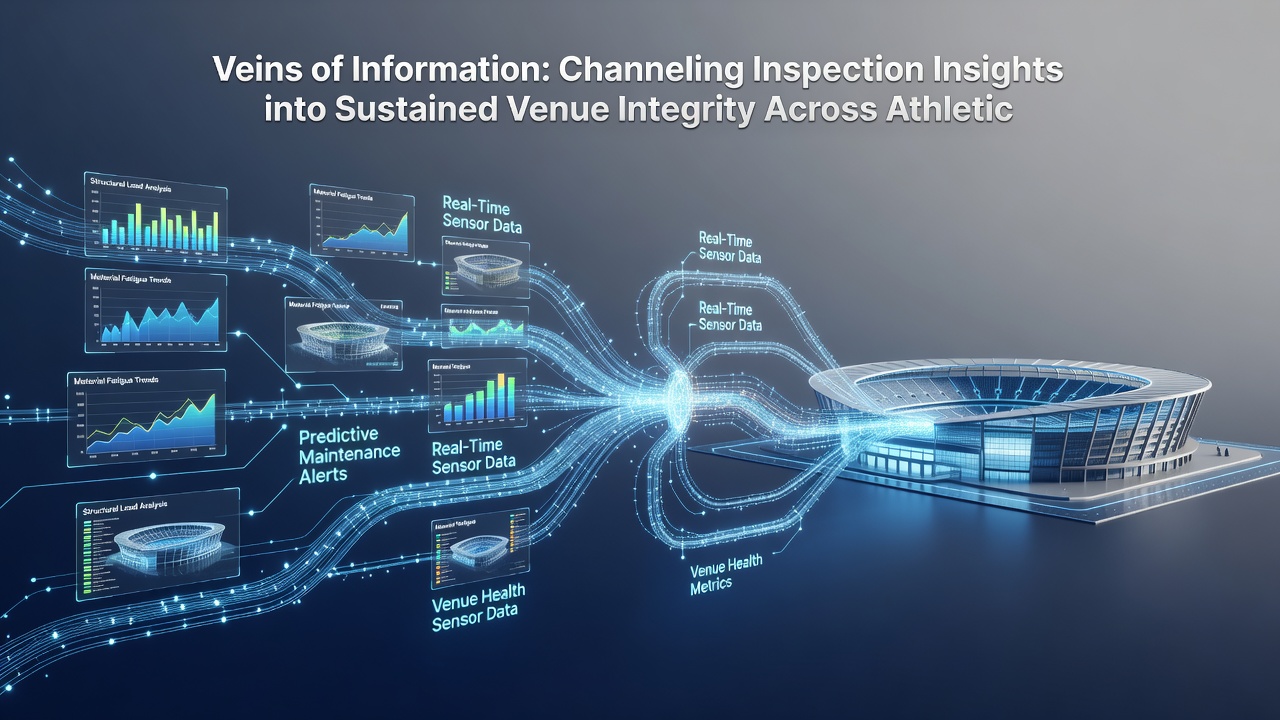
Technicians record findings through standardized digital forms that feed directly into centralized platforms, and these systems organize inputs by category such as load-bearing capacity, electrical compliance, and surface friction coefficients. The organized outputs then route to maintenance teams who schedule interventions based on priority rankings generated from historical trends rather than isolated reports, while facility managers receive summarized dashboards that highlight recurring issues across multiple sites. Observers note that this structured flow reduces response times from weeks to days in many documented cases.
Regional athletic hubs in North America have adopted integrated software that links inspection outputs to resource allocation models, and similar approaches appear in European facilities where regulatory frameworks require traceable documentation trails. One study from the European Agency for Safety and Health at Work examined how connected data systems improved compliance rates across public sports sites by allowing predictive scheduling of repairs. Those who've implemented such networks report fewer unplanned shutdowns because alerts trigger before thresholds reach critical levels.
Integration with Seasonal and Regulatory Cycles
Athletic venues experience peak usage during certain months, and inspection schedules adjust accordingly to capture data when facilities face maximum stress. Summer programs in school complexes generate high volumes of equipment checks on fields and courts, while winter evaluations focus on indoor climate controls and structural loads from snow accumulation. Data collected during these periods feeds into annual compliance submissions that align with updates from bodies like the Public Health Agency of Canada, which tracks recreational facility standards across provinces.
Planners prepare for regulatory shifts expected in June 2026 that will require enhanced digital record-keeping for multi-use hubs, and facilities already using unified platforms stand positioned to meet new documentation requirements without major overhauls. The transition involves mapping existing inspection categories to updated reporting formats that emphasize longitudinal data analysis over single-point snapshots.
Case Examples from Operational Sites
Take one regional complex in Australia where operators connected inspection records to staff training modules, and the linkage allowed immediate updates whenever verification data revealed gaps in equipment handling procedures. The approach extended operational lifespans for synthetic turf surfaces by coordinating resurfacing timelines with verified usage data rather than fixed calendars. Similar patterns emerge in community centers where shared databases let multiple user groups access tailored maintenance histories that inform their own scheduling decisions.
Research indicates that venues employing these connected systems achieve measurable reductions in repeat deficiencies, and figures from facility management reports show consistent drops in corrective action costs when insights travel through automated channels instead of manual handoffs. Data from these implementations demonstrates that sustained integrity depends less on inspection frequency alone and more on how effectively findings translate into actionable workflows.
Future Developments in Information Channeling
Emerging sensor technologies now embed directly into venue components to stream real-time metrics on vibration, moisture, and temperature, and these continuous feeds supplement periodic human inspections by flagging anomalies between scheduled visits. Athletic hubs adopting hybrid models combine automated alerts with expert review processes that validate sensor outputs against established benchmarks. The combination creates denser information networks that support longer-term planning horizons extending beyond immediate compliance needs.
Academic analyses of multi-sport facilities continue to examine how centralized data repositories influence cross-department coordination, and early results point to improved alignment between capital improvement budgets and verified risk profiles. Those managing such systems emphasize the value of scalable architectures that accommodate growing data volumes without disrupting daily operations.
Conclusion
Effective channeling of inspection insights requires deliberate system design that connects collection points to decision makers through reliable pathways, and athletic hubs that invest in these connections demonstrate measurable advantages in maintaining venue integrity over extended periods. The frameworks established today position facilities to handle evolving requirements including those anticipated for June 2026, while ongoing refinements in data integration promise further efficiencies in how information supports sustained operational standards across diverse athletic environments.