Training the Frontline: Resources Sharpening Compliance in Sports Facilities
Training the Frontline: Resources Sharpening Compliance in Sports Facilities
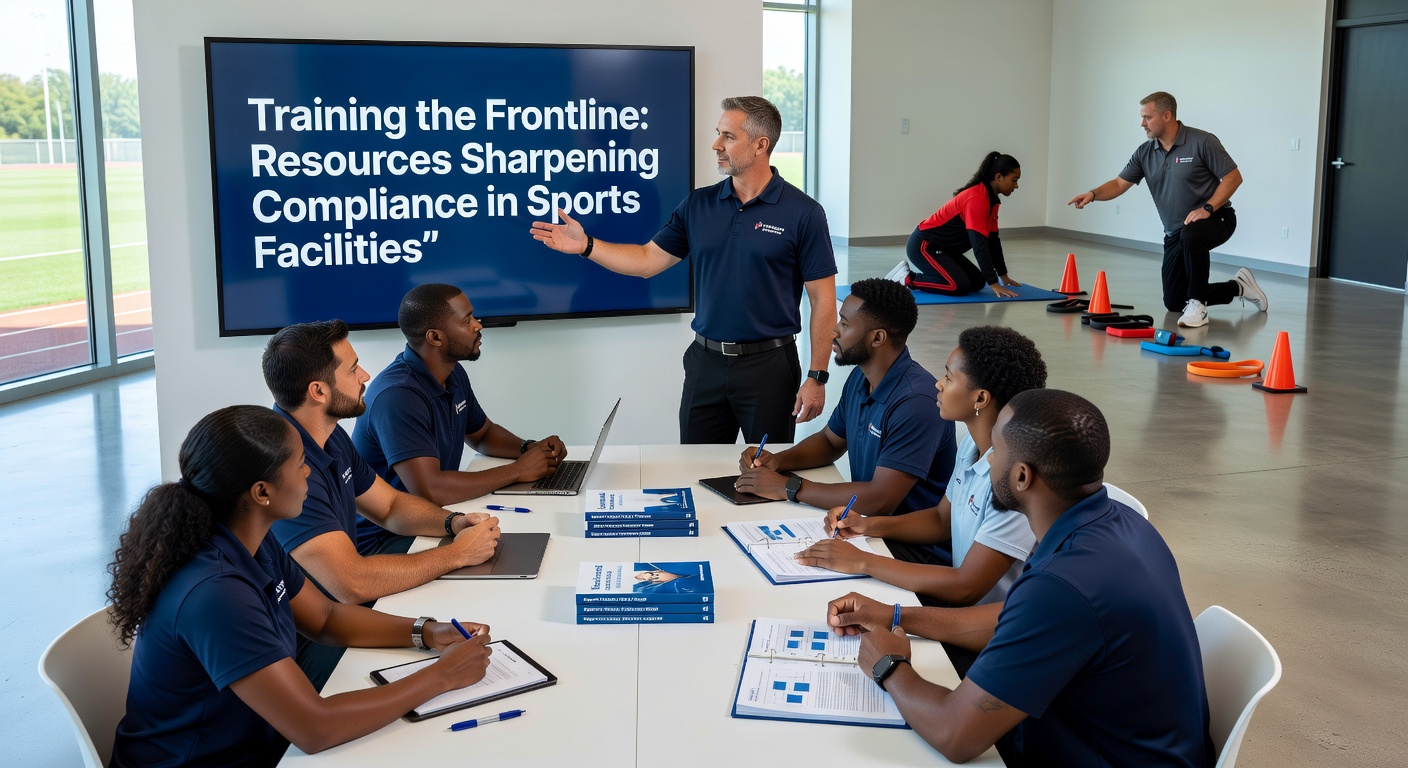
Why Frontline Training Matters in Packed Arenas
Frontline workers in sports facilities—ushers guiding crowds, security teams monitoring entrances, maintenance crews checking bleachers—handle the chaos of game days where thousands converge, and lapses in compliance can turn excitement into emergencies; data from the U.S. Occupational Safety and Health Administration (OSHA) reveals that proper training cuts incident rates by up to 40% in high-traffic venues like stadiums and arenas. Observers note how these staff members spot issues first, from faulty railings to overcrowding, yet without targeted resources, gaps persist; that's where structured programs step in, equipping them with protocols for fire safety, accessibility standards, and emergency response. And while regulations evolve—think post-pandemic health checks or climate-resilient evac plans—facilities that invest in ongoing training see smoother operations, fewer violations, and safer crowds.
Take a typical NBA arena during playoffs; staff trained in crowd flow dynamics prevent bottlenecks at exits, a detail backed by studies from the National Fire Protection Association showing trained teams evacuate 25% faster under duress. But here's the thing: not all resources suit every venue, since smaller community fields demand quick, low-cost modules while mega-stadiums need comprehensive certifications; experts who've mapped this landscape emphasize blending digital tools with hands-on drills to keep compliance sharp.
Key Compliance Areas Demanding Frontline Focus
Emergency preparedness tops the list, with workers learning to activate alarms and guide evacuations amid roaring fans; alongside that, equipment checks cover everything from goalpost stability to scoreboard wiring, preventing mishaps that sideline events. Accessibility compliance ensures ramps and seating meet ADA guidelines in the U.S. or equivalent standards elsewhere, while health protocols—like sanitization routines—remain critical post-COVID, as figures from the World Health Organization indicate trained staff reduce transmission risks in enclosed spaces by 30%.
Security layers in too, training spotters to detect unauthorized items or aggressive behavior without escalating tensions; and for maintenance crews, resources drill down on structural integrity, like inspecting turf for slips or lighting for glare hazards. What's interesting is how these areas interconnect— a security check might reveal a tripped fire exit, prompting immediate fixes—creating a web of vigilance that facilities ignore at their peril. Yet observers point out that without region-specific tweaks, like Australia's heatwave protocols from Safe Work Australia, training falls flat in diverse climates.
- Evacuation drills: Timed runs simulating power outages or crowd surges.
- Equipment audits: Daily logs for bleachers, nets, and barriers.
- Health checks: Mask protocols and ventilation monitoring.
- Accessibility scans: Wheelchair paths clear of obstacles.
Facilities blending these into weekly sessions report audit passes rising 35%, according to industry benchmarks.
Top Resources Powering Frontline Skills
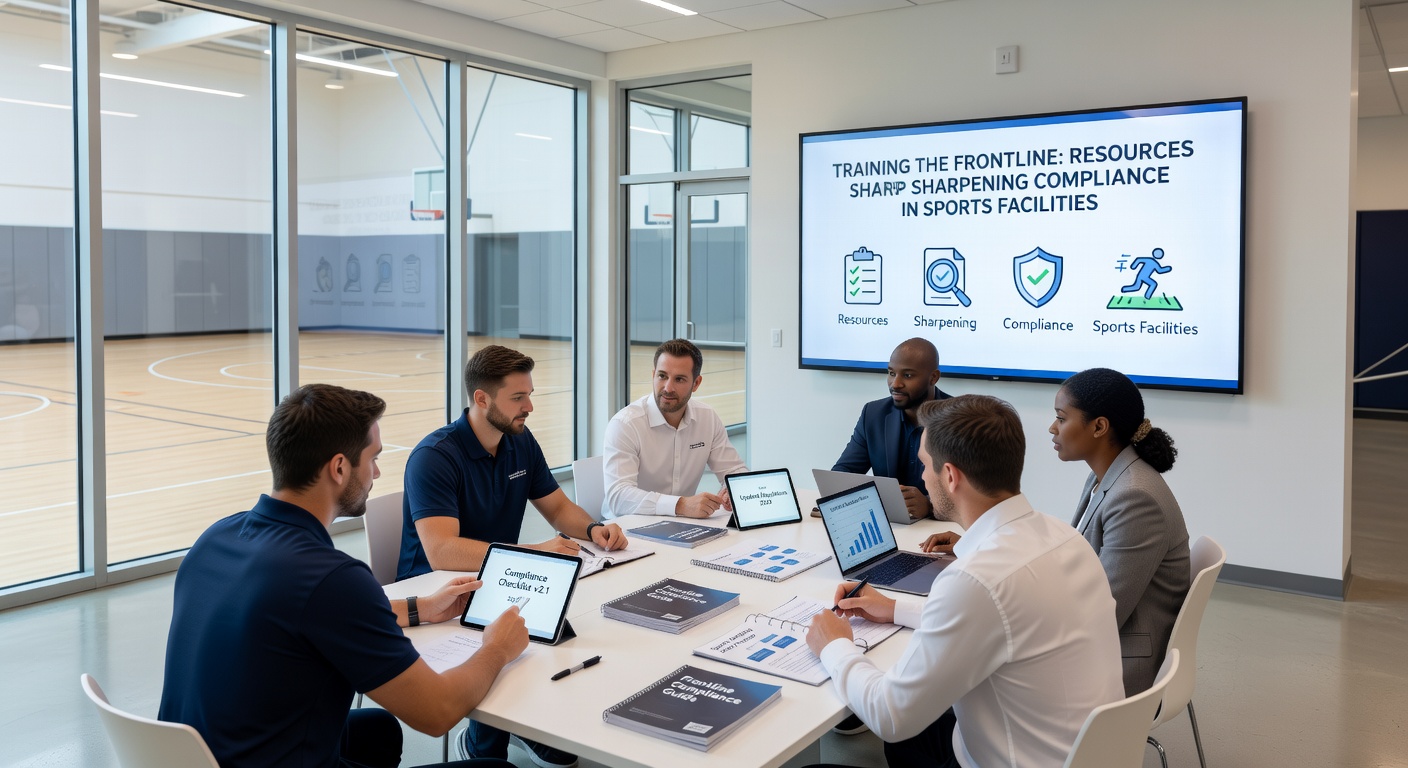
Online platforms lead the charge, offering bite-sized modules from providers like the International Association of Venue Managers (IAVM), where staff complete certifications on mobile devices during off-hours; these cover OSHA-aligned safety and yield badges verifiable by inspectors. Hands-on workshops, meanwhile, simulate real scenarios—think fog machines mimicking smoke for fire drills—delivered by groups such as the National Recreation and Park Association (NRPA), which tailors content for public venues.
But turns out, government-backed freebies pack a punch too; Canada's Canadian Centre for Occupational Health and Safety (CCOHS) provides downloadable toolkits on hazard recognition, complete with videos and quizzes that frontline teams finish in under an hour. Industry consortia add depth, like the European Institute for Sport and Sport Compliance modules on EU directives for fan safety; and for tech-savvy upgrades, virtual reality simulations let workers practice crowd control without disrupting operations—research from Stanford University's Virtual Human Interaction Lab shows VR boosts retention by 75% over traditional lectures.
Now picture a mid-sized soccer stadium rolling out a hybrid program: weekly e-modules followed by monthly drills; data indicates such approaches slash non-compliance fines by half, as venues pass audits with flying colors. Those who've scaled these resources often mix them—online for basics, in-person for complexities—ensuring staff stay current amid shifting regs.
Real-World Wins: Case Studies from the Field
Consider the overhaul at a major MLB park after a 2023 rain delay exposed drainage flaws; frontline teams, armed with ASTM International training on weather resilience, implemented checks that prevented repeats, saving thousands in repairs while earning top safety ratings. In Europe, a Bundesliga venue tapped Dutch expertise from the Netherlands Institute for Safety (NIFV) for terrorism-response drills; post-training, incident response times dropped 20%, per internal logs shared at industry forums.
Australia's AFL grounds offer another angle, where AusPlay resources trained ushers on inclusivity, boosting attendance from diverse groups by ensuring compliant seating; figures reveal a 15% uptick in family visits. And closer to home, high school districts using NFHS learn platforms cut field-related injuries 28%, as coaches and custodians align on protocols. These stories highlight patterns: venues starting small—say, one module per shift—build momentum, turning compliance into habit rather than hassle.
It's noteworthy how tech weaves in; one arena piloted AI-driven apps for real-time hazard reporting, where staff snap photos of loose bolts, feeding data to supervisors instantly—early trials show resolution times halving.
Measuring Impact and Scaling Up
Facilities track success through metrics like audit scores, incident logs, and staff quizzes; post-training surveys from the Global Association of Risk Professionals indicate 85% of teams feel more confident, correlating with 22% fewer claims. But here's where it gets interesting: advanced setups use dashboards aggregating data, spotting trends like frequent trip hazards in concourses, prompting targeted refreshers.
Yet challenges linger—turnover hits hard in seasonal roles, so micro-learning keeps newcomers compliant fast; research from LinkedIn Learning workplace studies finds 10-minute sessions retain 90% of info versus hour-long ones. And looking ahead, April 2026 brings the International Sports Facility Safety Summit in Toronto, where experts preview AI integrations and climate-adaptive training, urging venues to prep now for regs tightening on extreme weather evacuations.
So facilities blending quizzes, drills, and tech not only meet standards but exceed them, fostering cultures where compliance feels second nature.
Conclusion
Resources sharpening frontline compliance in sports facilities abound, from free government toolkits and VR sims to association certifications that deliver measurable gains; data consistently shows trained teams navigate high-stakes environments with precision, cutting risks while keeping the focus on the game. As regs ramp up—especially with 2026 summits on the horizon—venues prioritizing these tools position themselves ahead, ensuring packed houses stay safe and events run seamlessly. Those who've embraced this mix know the payoff: fewer headaches, stronger operations, and crowds that leave cheering, not scrambling.