Tracing Compliance Threads: How Equipment Verification Data Shapes Adaptive Upkeep Cycles in School Athletic Complexes
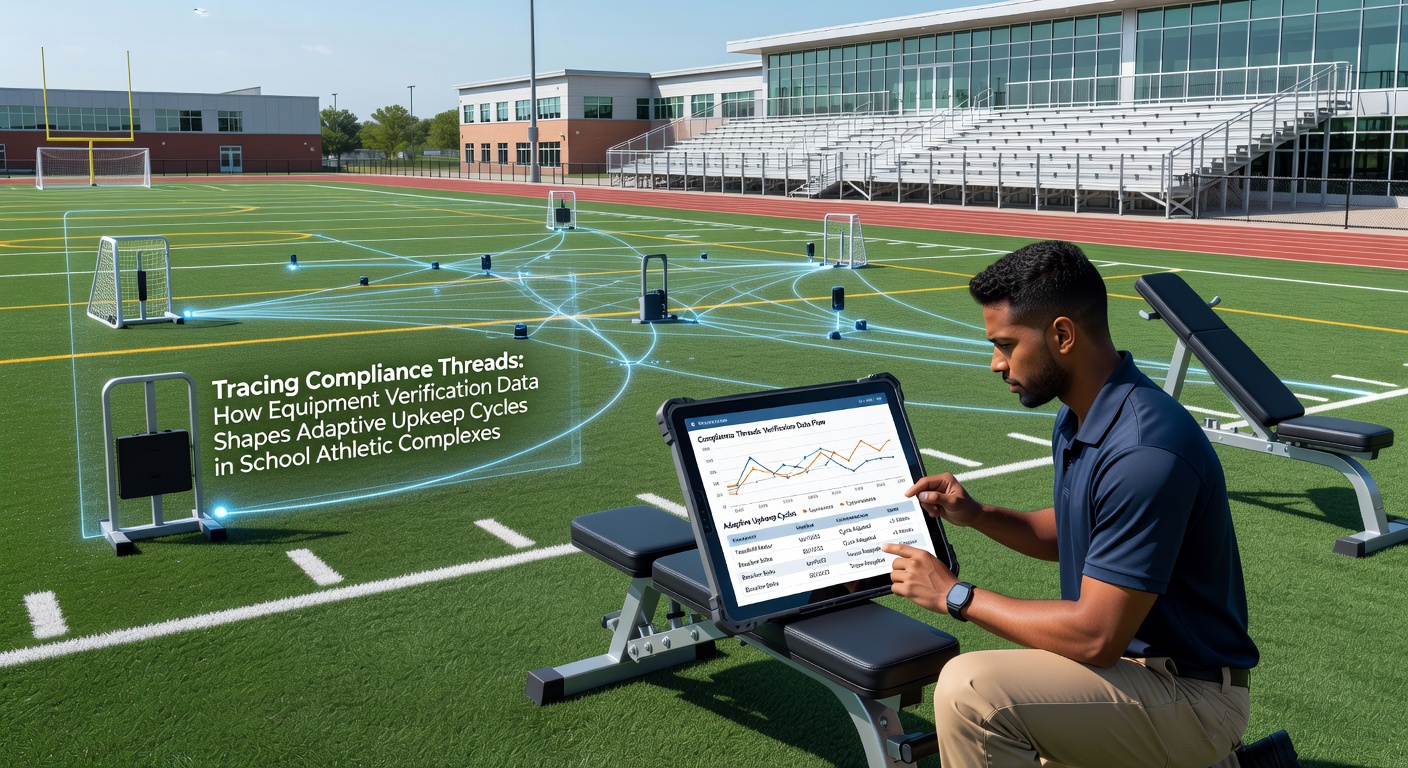
Equipment verification processes in school athletic complexes generate detailed records that directly influence how maintenance schedules evolve over time. These records track wear patterns, safety thresholds, and usage frequencies across items such as weight machines, basketball hoops, track hurdles, and field turf systems. Facilities managers compile verification outputs into centralized datasets that reveal when components approach critical failure points, allowing upkeep cycles to adjust without relying on fixed calendars alone.
Data Collection Methods and Their Integration Points
Verification teams employ standardized protocols that capture metrics like torque values on mounting hardware, tension levels in cables, and surface friction coefficients on playing areas. Electronic logging devices timestamp each reading and store results alongside environmental factors such as humidity exposure and temperature fluctuations recorded during each session. Schools in districts across multiple states feed these datasets into maintenance software platforms where algorithms identify deviations from baseline performance levels established during initial installation audits.
Research from the National Center for Education Statistics shows that athletic facilities averaging 15 or more verification events per year experience fewer unplanned closures than those conducting checks on annual schedules only. The same datasets allow planners to correlate high-impact sports like football with accelerated degradation in goalpost anchors, prompting targeted reinforcement work before the next season begins.
Adaptive Scheduling Mechanisms Triggered by Verification Outputs
Once verification data flags a component nearing tolerance limits, upkeep cycles shift from predetermined intervals to condition-based triggers. For example, a series of readings indicating progressive loosening in volleyball net stanchions leads crews to insert quarterly torque checks instead of the previous semiannual routine. Software dashboards display trend lines that project remaining service life, giving operations teams lead time to order replacement parts during budget cycles rather than emergency procurement periods.
Facilities that adopted this approach in 2024 reported measurable reductions in parts inventory costs because orders aligned more closely with actual consumption rates derived from verification logs. In May 2026 several state education departments plan to require electronic submission of verification summaries as part of annual facility compliance filings, which will further standardize how adaptive cycles are documented and reviewed by oversight bodies.
Geographic and Regulatory Influences on Cycle Adjustments
School districts in regions subject to higher seasonal temperature swings adjust verification frequencies based on material expansion data collected during equipment checks. Concrete anchor points in northern climates show different fatigue signatures than those in milder zones, so maintenance calendars incorporate regional climate variables pulled directly from verification metadata. U.S. Department of Education facility guidelines emphasize that data-driven adjustments must remain auditable, requiring districts to retain raw verification files for a minimum of seven years.

International comparisons appear in reports issued by Sport Integrity Australia, which tracks how verification datasets from school-level sports fields feed into national safety benchmarks. These benchmarks allow districts to benchmark their own cycle lengths against aggregated performance statistics, revealing whether local adaptations produce comparable longevity outcomes.
Case Examples of Verification-Driven Upkeep Evolution
One midwestern high school tracked cumulative strain readings on its indoor track surface over eighteen months. The resulting dataset indicated that lane dividers near the starting blocks experienced 40 percent higher stress than outer lanes, prompting crews to rotate divider placements every six weeks rather than replacing entire sections annually. Another district in the Pacific Northwest used moisture sensor outputs from artificial turf verification to shorten irrigation intervals during verification-identified saturation periods, reducing mold-related surface replacements.
Observers note that these localized adjustments accumulate into broader pattern recognition when multiple schools pool anonymized verification data through regional consortia. The aggregated trends help manufacturers refine component specifications while giving school boards concrete figures to support capital improvement requests tied to actual usage profiles.
Conclusion
Equipment verification data continues to serve as the primary input that recalibrates upkeep cycles in school athletic complexes. As electronic logging becomes more widespread and regulatory filing requirements expand in 2026, the linkage between recorded measurements and maintenance timing will grow tighter. Districts that maintain consistent verification practices position their facilities to operate within compliance parameters while extending service intervals based on documented condition rather than assumptions.