Synchronizing Equipment Verification Timelines with Staff Skill Updates to Extend Operational Lifespans in Public Athletic Fields
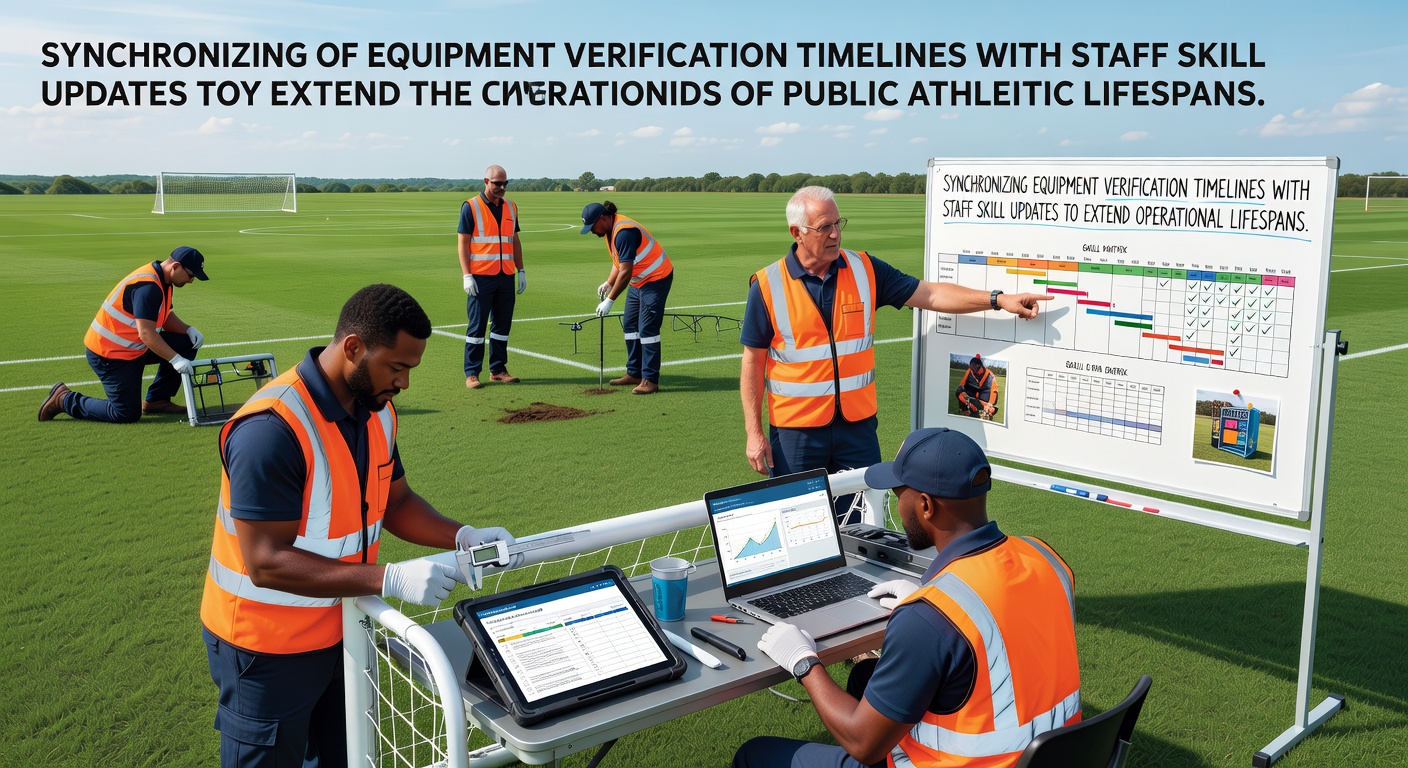
Public athletic fields rely on coordinated schedules that align equipment verification timelines with staff skill updates, and this approach helps maintain operational standards while extending the usable life of playground structures, sports apparatus, and safety surfaces. Facilities across multiple regions have adopted these integrated methods because separate processes often lead to gaps where outdated skills meet unverified hardware, which accelerates wear and triggers premature replacements.
Core Elements of Coordinated Verification and Training
Equipment verification follows manufacturer intervals and regulatory benchmarks, whereas staff skill updates cover inspection techniques, safety protocols, and maintenance procedures that evolve with new materials or designs. When these timelines run independently, verification might occur before crews receive updated training on emerging hazards, or skill refreshers might happen long after equipment has changed. Synchronization merges these cycles so that verification checks incorporate the latest procedural knowledge and training modules reference current field conditions.
Data from municipal recreation departments shows that fields operating under synchronized plans report fewer unplanned shutdowns, since crews catch issues during routine verifications that align with their most recent skill sessions. Observers note that this method reduces redundant work because a single coordinated event covers both hardware assessment and personnel competency confirmation.
Implementation Steps Used by Active Facilities
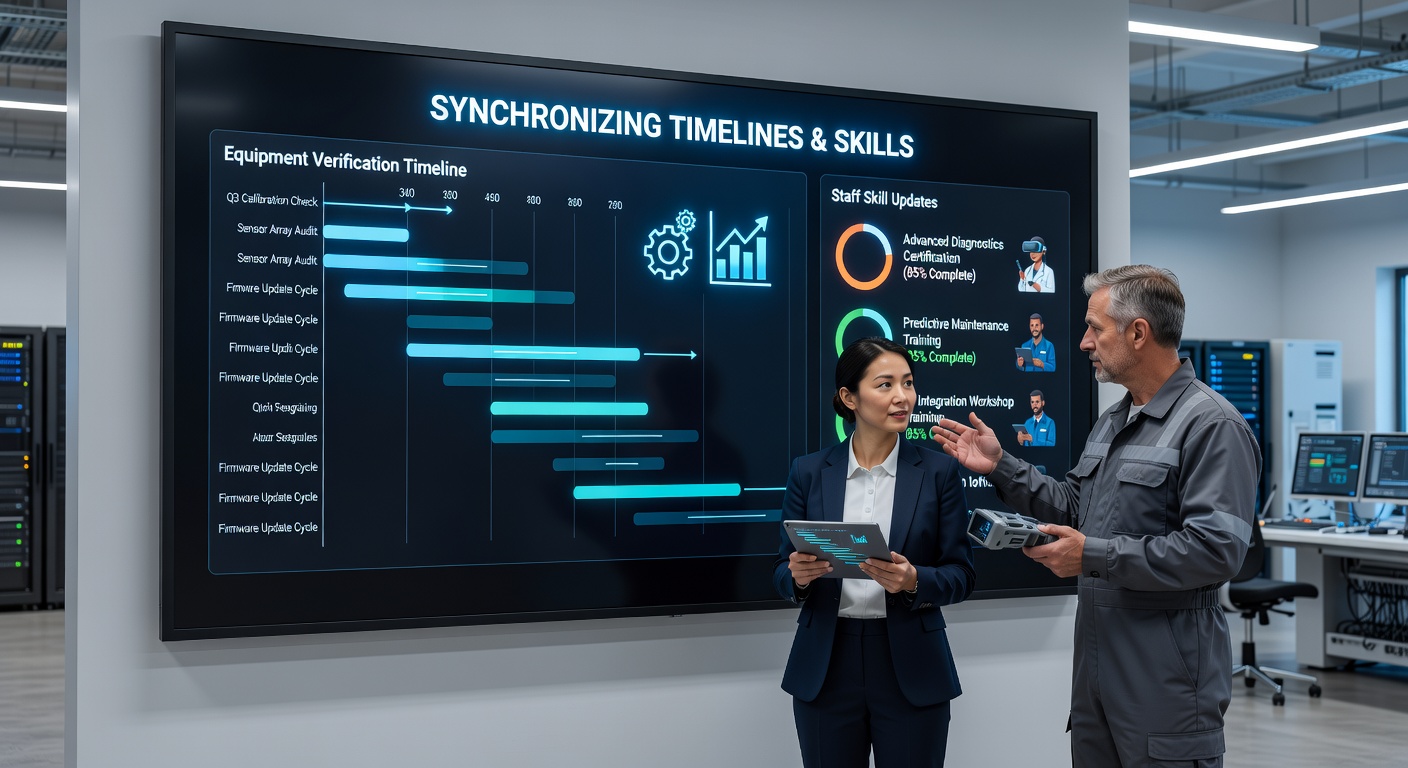
Facilities begin by mapping existing verification dates against upcoming training calendars, then adjust one or both to create overlapping windows. Project managers often insert buffer periods around major events such as league seasons or community festivals to avoid conflicts. Software platforms that track both equipment records and employee certifications allow teams to set automated alerts when either timeline approaches a synchronization point.
One mid-sized city program adjusted its spring verification round to coincide with annual staff recertification, and this shift allowed inspectors to apply fresh techniques to load-bearing components and surfacing materials during the same visit. The result included extended intervals between full replacements because early interventions addressed minor degradation before it compounded.
Documented Effects on Equipment Longevity
Research indicates that synchronized approaches correlate with measurable gains in service life for items such as goalposts, climbing structures, and impact-absorbing surfaces. A study conducted through Canadian municipal partnerships found that fields using joint timelines extended average equipment lifespan by 18 to 24 months compared with facilities that maintained separate schedules. The improvement stems from consistent application of updated inspection criteria that detect stress points earlier and from crews who apply correct remediation steps immediately after verification.
European sports facility networks have reported similar patterns, where alignment of verification and training reduced instances of surface delamination and hardware fatigue. Because staff members practiced updated verification methods during the same period equipment received checks, discrepancies between observed conditions and recorded data decreased, which in turn supported more accurate forecasting of replacement needs.
Regulatory and Industry Context
Standards from bodies such as ASTM International outline recommended inspection frequencies, while training requirements often reference guidelines from national recreation associations. Facilities that overlay these two sets of requirements avoid situations where verification meets outdated skill sets or where training covers equipment configurations no longer present on site. As preparations advance toward May 2026, several regional authorities plan to release revised checklists that incorporate new material testing methods, and synchronized programs position crews to adopt those changes without additional scheduling adjustments.
Challenges and Adjustments Observed in Practice
Coordination sometimes encounters resistance when departments operate under separate budgets or reporting lines, yet facilities that designate a single liaison between maintenance and training teams have overcome these hurdles. Seasonal weather variations can also shift verification windows, which requires flexible training modules that crews can complete indoors or via digital platforms when field access is limited. Programs that build quarterly review points into their synchronized calendars maintain momentum even when external factors intervene.
Conclusion
Synchronizing equipment verification timelines with staff skill updates creates a unified workflow that supports longer operational lifespans for public athletic field assets. Municipal and regional programs that have aligned these processes report fewer emergency interventions and more predictable budgeting for replacements. Continued adoption of this method aligns with evolving standards and positions facilities to incorporate future regulatory updates efficiently.