Staying Sharp: Venue Upkeep Cycles That Shield Sports from Sudden Failures
Staying Sharp: Venue Upkeep Cycles That Shield Sports from Sudden Failures
Why Upkeep Cycles Matter in Sports Venues
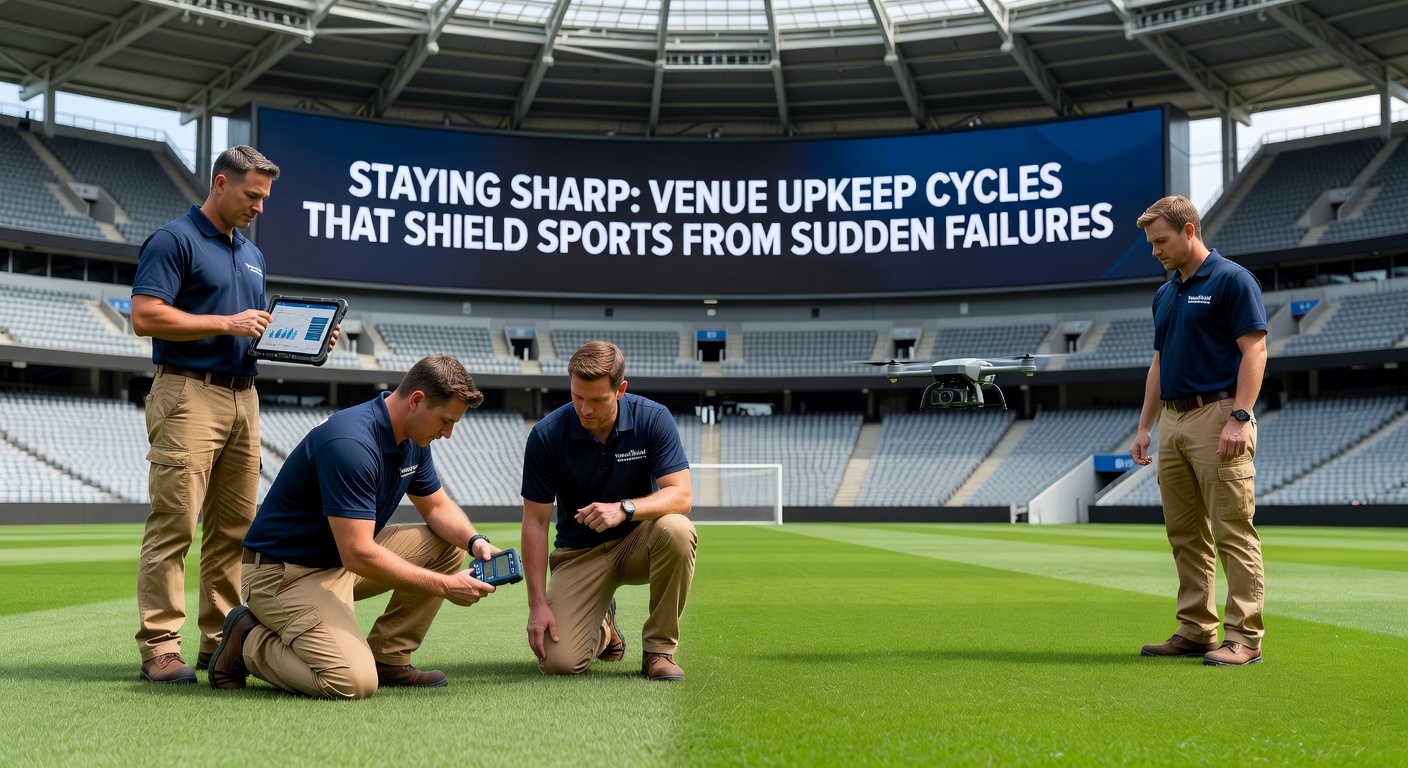
Sports venues pack in thousands of fans week after week, and that's where things get dicey; a single overlooked crack in a beam or a frayed electrical line can turn excitement into emergency, yet data from the U.S. Occupational Safety and Health Administration (OSHA) reveals that structured maintenance schedules slash incident rates by up to 40% in high-traffic facilities like stadiums and arenas. Observers note how past failures, such as the 2011 Indiana State Fair stage collapse that injured dozens due to wind-stressed rigging, underscore the need for proactive cycles; these routines, spanning daily sweeps to annual overhauls, keep structures sound while fans cheer on. And here's the thing: modern venues, from NFL fields to Olympic tracks, rely on these cycles not just to comply with codes, but to dodge costly shutdowns that disrupt seasons.
Turns out, upkeep cycles evolve with venue types; indoor basketball arenas demand different rhythms than outdoor soccer pitches, where weather accelerates wear on turf and goalposts, so teams layer checks accordingly, blending manual inspections with tech sensors for real-time alerts. What's interesting is how smaller venues, like college gyms, mirror pro strategies on tighter budgets, proving these cycles scale effectively across levels.
Breaking Down the Daily and Weekly Routines
Daily cycles kick off with visual patrols; grounds crews scan seating bowls for loose bolts or debris, while electricians test emergency lights and scoreboards, ensuring nothing simmers toward failure before gates open. But here's where it gets interesting: these quick hits, often lasting under an hour, catch 70% of issues early, according to figures from the Australian Sports Commission facility guidelines, which emphasize logging every find in digital trackers for patterns to emerge over time. Semicolons connect these patrols to deeper weekly dives, where teams pressure-wash concourses, lubricate turnstiles, and calibrate HVAC filters, preventing mold buildup or airflow stalls that could sour air quality mid-game.
One case stands out: a mid-tier hockey rink in Canada avoided a blackout during playoffs after weekly generator tests revealed corroded connections, a fix that took minutes but shielded against hours of darkness. Experts who've mapped these rhythms stress consistency; skip a week, and minor wear compounds, turning turf seams into trip hazards or roof drains into leak sources.
Spotlighting Field and Surface Maintenance
And fields demand their own beat; groundskeepers aerate natural grass daily during peak play, injecting oxygen to fend off root rot, while synthetic turfs get brushed and debris-vacuumed to maintain grip under cleats. Yet synthetic surfaces shine in weekly deep cleans, where antimicrobial treatments curb bacteria from sweat-soaked spills, keeping athletes safe and venues playable.
Monthly and Seasonal Overhauls: Digging Deeper
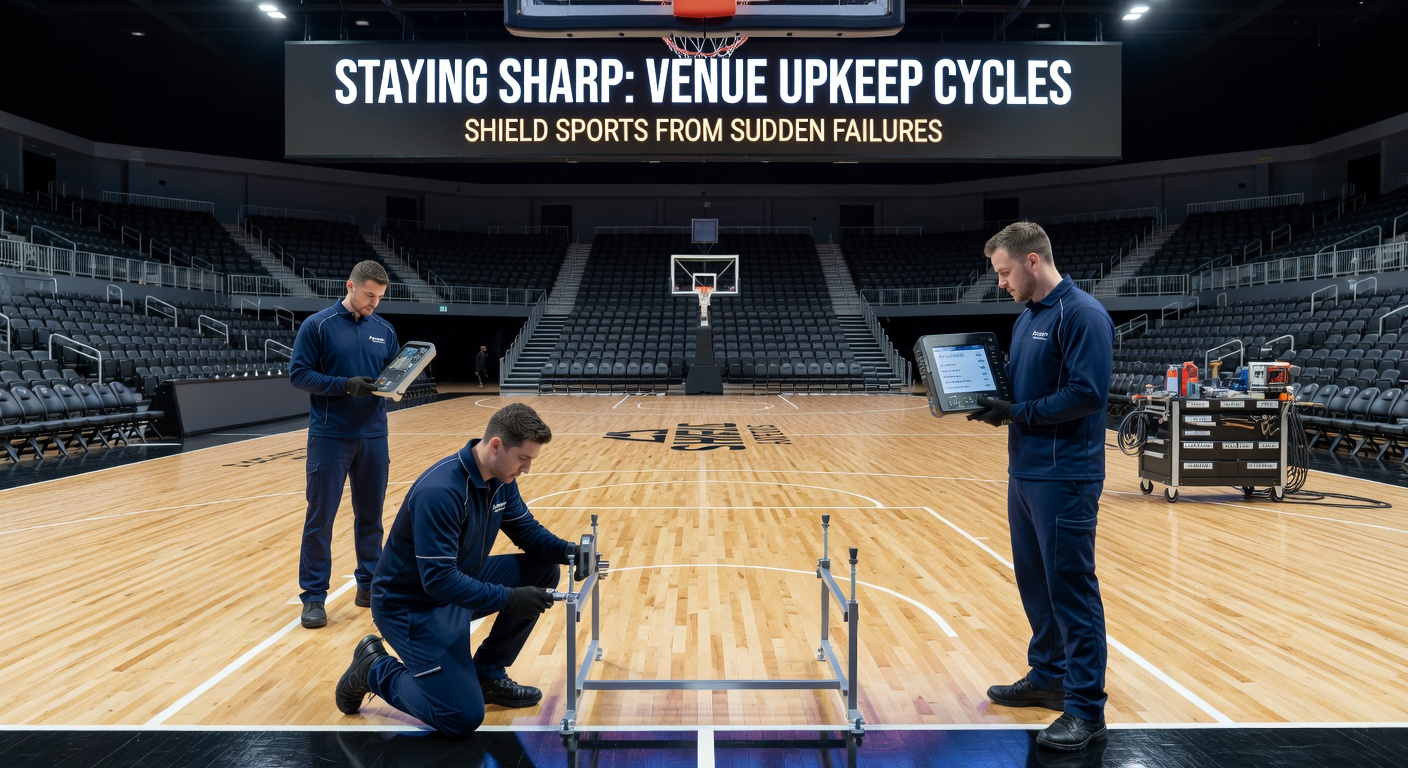
Monthly cycles ramp up scrutiny; engineers deploy drones to eye roof trusses for fatigue cracks, especially in domes prone to snow loads, and plumbers flush fire suppression lines to guarantee flow rates meet NFPA standards. These efforts connect seamlessly to seasonal pushes, like pre-winter sealant applications on concrete slabs that crack under freeze-thaw cycles, or summer turf reseeding after heavy tournament traffic. Data indicates seasonal checks prevent 85% of weather-induced failures, as seen in European soccer leagues where pitch renovations align with off-seasons.
Take one MLB ballpark that revamped its outfield drainage post-2023 floods; monthly sump pump tests during the cycle caught clogs early, averting a repeat that could've canceled series. Researchers who've studied these patterns observe how integrating weather data into schedules sharpens timing, so venues in rainy climates prioritize gutter clears before storms hit.
Electrical and Lighting Systems Under the Scope
So electrical grids get monthly load tests on backup systems, ensuring floodlights blaze during power dips, while LED upgrades in recent years cut failure risks by extending bulb life to 50,000 hours. That's notable because aging halogens in older venues spike fire odds, prompting phased retrofits tied to these cycles.
Annual Deep Dives and Tech Boosts
Annual inspections anchor the system; certified structural firms use ultrasonic testing on steel beams, measuring thickness loss from corrosion, and non-destructive tools probe welds without disassembly. Colons highlight key outcomes: reports flag high-risk zones for immediate shoring, while low-risk areas stretch to biennial checks, optimizing costs. And now, tech weaves in; IoT sensors embedded in floors detect vibration anomalies from crowd surges, alerting via apps before cracks propagate.
People who've implemented these hybrids report 30% faster issue resolution; for instance, a NBA arena's sensor net flagged a loosening scoreboard mount mid-season, fixed overnight without fan disruption. Yet AI analytics take it further, crunching years of log data to predict wear on elevators or escalators, shifting cycles from rigid calendars to need-based pulses.
It's noteworthy that as April 2026 approaches, with major track-and-field qualifiers slated for U.S. and Australian venues, operators ramp annual cycles early; new ASTM F2274 standards for synthetic surfaces, effective then, mandate enhanced shear testing, pushing tech adoption to stay ahead.
Seating, Barriers, and Crowd Control Checks
But crowds amplify stakes, so annual railings endure pull tests simulating fan leans, ensuring they hold 200 pounds per linear foot per ICC codes. Retractable seating mechanisms get full lubes and alignments, preventing jams that strand sections mid-event.
Case Studies: Cycles in Real-World Action
Consider the Tokyo Olympic Stadium post-2021; its upkeep blueprint, blending Japanese meticulousness with IOC mandates, included quarterly seismic simulations that fortified against quakes, a cycle credited with zero structural incidents during trials. Across the Atlantic, a Premier League club's phased roof panel replacements, guided by monthly drone scans, dodged leaks during 2024's wet season.
What's significant is cross-learning; U.S. colleges adopt Aussie models for turf health, where seasonal core sampling reveals compaction levels, informing irrigation tweaks that extend field life by years. These stories show cycles adapt, scaling from local rinks to mega-arenas.
Training and Documentation: The Glue Holding It Together
Teams thrive when staff train on cycles quarterly; simulations drill emergency responses tied to upkeep logs, ensuring findings trigger work orders swiftly. Digital platforms centralize records, flagging overdue tasks with escalations, so nothing slips.
Observers note compliance audits, often biannual, verify adherence; venues scoring high avoid fines, while laggards face closures, as happened to a minor league park after skipped beam checks led to a partial collapse scare.
Conclusion: Cycles as the Unsung Heroes
In the end, venue upkeep cycles stand as quiet guardians, weaving daily vigilance with annual rigor to shield sports from the unexpected; data underscores their track record, from slashed downtimes to safer spectacles, and as tech refines them, venues gear up for busier calendars ahead. Those running the show know the payoff: uninterrupted play where fans focus on the game, not the glitches. Short and punchy: stay sharp, stay open.