Seasonal Venue Evaluations Drive Adaptive Operator Plans in Regional Sports Centers

Regional sports centers across multiple climates rely on seasonal venue evaluations to assess structural integrity, equipment function, and safety compliance before peak usage periods shift. These assessments occur at regular intervals tied to weather patterns and usage spikes, generating data that directly informs operator development plans for staff training and resource distribution. In July 2026, several North American facilities incorporated updated evaluation protocols following new guidelines released by federal recreation agencies, which emphasized integration of real-time sensor data with traditional walkthrough inspections.
Core Components of Seasonal Evaluations
Evaluations typically examine playing surfaces for wear from winter freeze-thaw cycles, indoor lighting systems for summer heat exposure, and emergency access routes that may become obstructed by seasonal foliage or snow accumulation. Data collection includes measurements of field hardness, grip friction on equipment handles, and load-bearing capacity of bleachers or climbing structures. Observers note that centers in temperate zones complete these reviews in spring and fall, whereas facilities in harsher climates add mid-winter checks when feasible.
Records from these evaluations feed into centralized databases that track recurring issues across multiple sites. One multi-state network of community athletic complexes reported that evaluation outputs from 2024 through 2025 revealed patterns in drainage failures during heavy spring rains, prompting operators to adjust maintenance schedules and prioritize drainage upgrades in their annual development plans.
Translation of Evaluation Findings into Operator Development
Findings from seasonal reviews translate into targeted training modules for facility operators, focusing on areas such as updated safety protocols for newly installed equipment or revised emergency response procedures based on access changes. Development plans often include quarterly skill refreshers that align staff capabilities with the specific deficiencies identified during evaluations. Research indicates that centers implementing this linkage experience fewer repeat compliance issues in subsequent cycles.
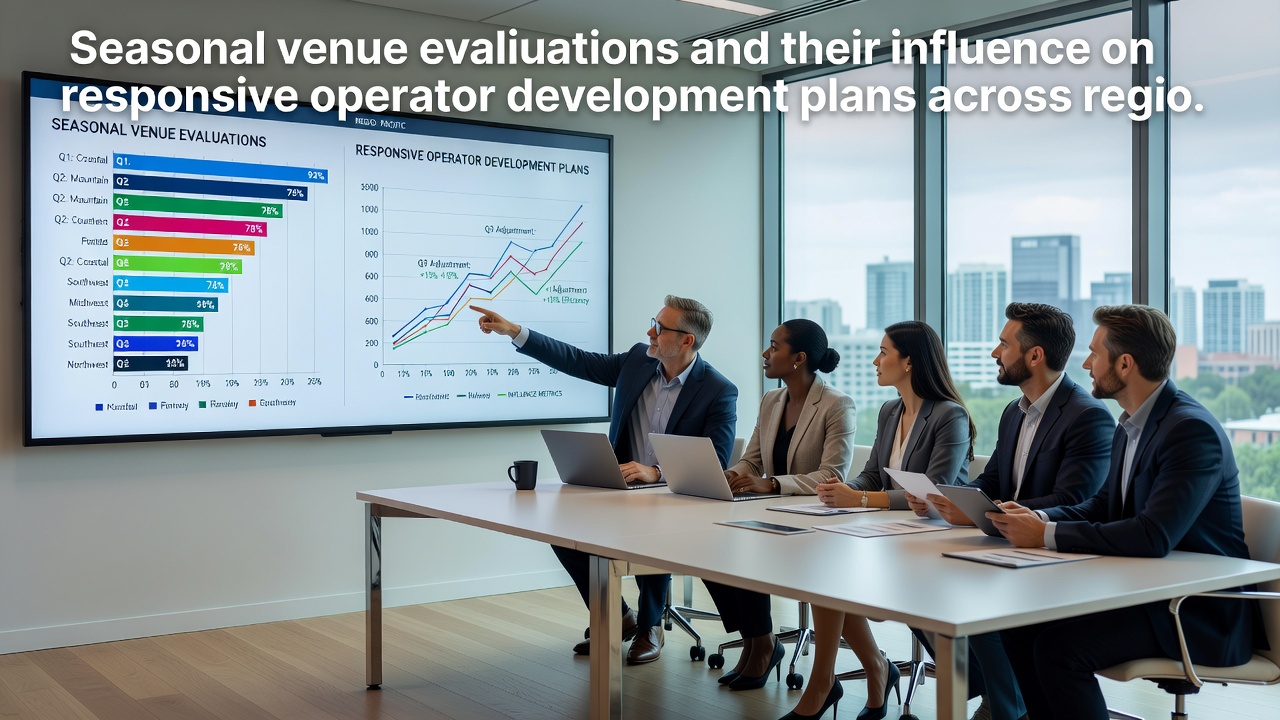
Operators use evaluation outputs to sequence training priorities, placing emphasis on high-frequency problem areas first. For instance, when assessments flag recurring issues with net tensioning systems on multi-use courts, development plans incorporate hands-on workshops that teach precise adjustment techniques and documentation methods. This approach ensures staff can address minor adjustments during daily operations without waiting for external contractors.
Regional Variations and Data Trends
Facilities in coastal regions integrate tidal and humidity data into their seasonal reviews, while inland centers focus more on temperature extremes and soil movement. According to reports from the Canadian Centre for Ethics in Sport, evaluation data collected between 2023 and 2025 showed that centers coordinating review timing with local climate forecasts reduced equipment downtime by measurable margins. Those same reports highlight how development plans incorporating cross-training between maintenance and programming staff created more resilient operational teams.
European networks have adopted similar frameworks, with the European Sports Commission publishing comparative analyses that link evaluation frequency to operator certification renewal rates. Centers that scheduled training immediately after each seasonal review demonstrated faster adoption of revised safety standards. Data from these studies also tracks how resource allocation shifts toward preventive measures rather than reactive repairs when evaluation insights guide planning.
Integration with Broader Compliance Systems
Seasonal evaluations connect directly to larger regulatory frameworks that govern public athletic spaces. Operators map identified issues against certification requirements and build development timelines that satisfy both local oversight bodies and national standards. This mapping process often reveals gaps in staff knowledge that prompt inclusion of specific modules on documentation accuracy or incident reporting.
One study from an Australian university sports management program examined how evaluation data influenced multi-year operator training sequences. The findings showed that facilities aligning their development calendars with evaluation outputs maintained higher rates of uninterrupted programming throughout the year. Staff members received updates on evolving equipment standards in tandem with the release of new seasonal reports, creating a continuous feedback loop.
Conclusion
Seasonal venue evaluations serve as the foundation for responsive operator development across regional sports centers by supplying concrete data that shapes training priorities and resource decisions. Centers that maintain tight connections between assessment results and staff planning demonstrate consistent alignment with regulatory expectations. As protocols continue to evolve with new technologies and climate considerations, the relationship between these evaluations and operator growth remains central to sustained facility performance.