Ripple Effects: Certification Renewals Reshaping Maintenance Timelines in Sports Facilities
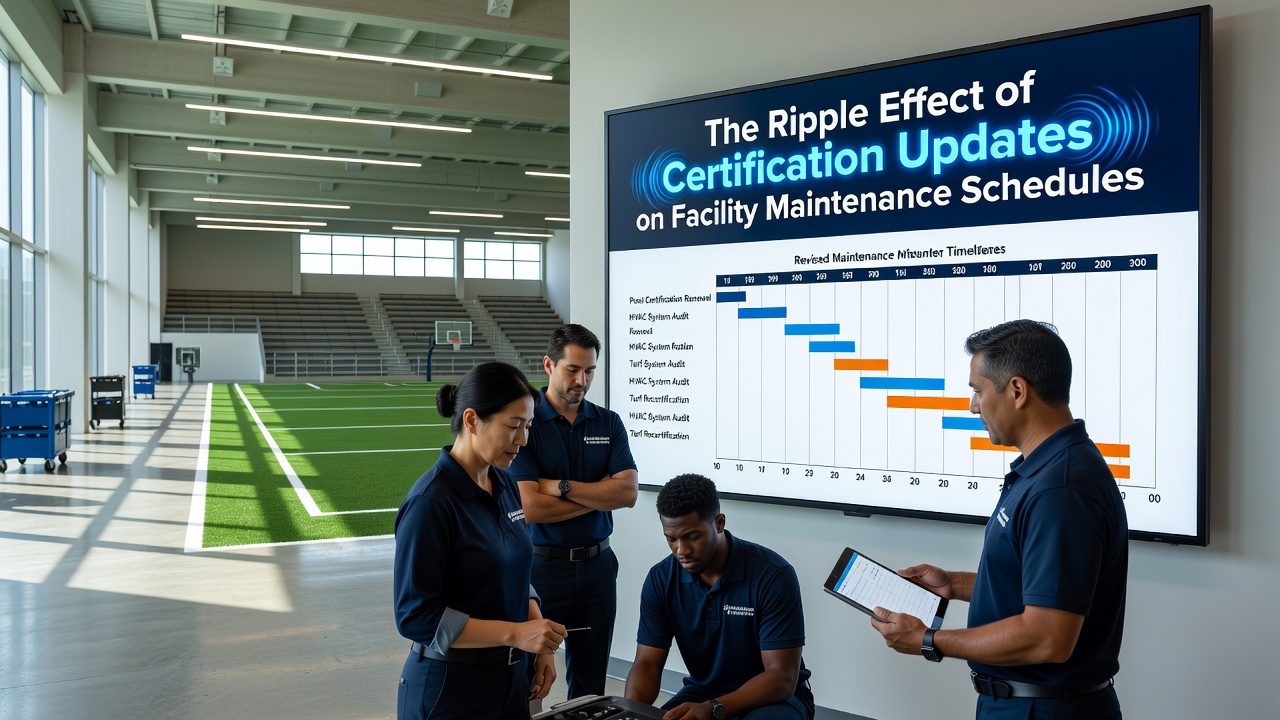 Certification updates in athletic complexes often set off chains of adjustments that reach far beyond the initial paperwork, and facility managers track these shifts through detailed planning tools that coordinate staff availability, equipment downtime, and budget cycles. Data from facility management platforms shows that a single change in safety certification standards can alter inspection frequencies, which then forces recalibration of cleaning, repair, and replacement routines across multiple venues. Those who manage large multi-sport sites note that revised certification criteria frequently require new verification steps for structural elements like bleachers, lighting rigs, and playing surfaces. When these requirements take effect, maintenance teams must insert additional checkpoints into existing calendars, and this insertion can push back routine tasks such as turf aeration or HVAC filter changes by several weeks.
How Updated Standards Alter Daily and Seasonal Routines
Research from regional sports facility associations indicates that certification cycles now incorporate real-time data logging for equipment stress points, and this addition changes how often crews perform load testing on goalposts or retractable seating. Facilities in humid climates, for example, face tighter intervals for corrosion checks once new moisture-resistance thresholds appear in the updated guidelines, which means painting and sealing work moves earlier in the annual schedule to avoid conflicts with peak event seasons.
Observers note that these adjustments rarely stay isolated to one department; instead, they ripple into procurement timelines because replacement parts must arrive before the new verification windows open. Supply chain records from several mid-sized complexes reveal that lead times for specialized safety hardware increased by an average of 18 days following the last round of certification revisions.
Coordination Challenges Across Multiple Venues
When certification bodies release updates, athletic complex operators often rely on centralized scheduling software to map dependencies between tasks, and this software flags conflicts where a delayed maintenance item risks pushing a certification deadline. In one documented case at a regional hub serving both school and community teams, a change in electrical grounding standards required simultaneous upgrades across three fields, which compressed the window for field resurfacing and forced crews to work overnight shifts during low-usage periods.
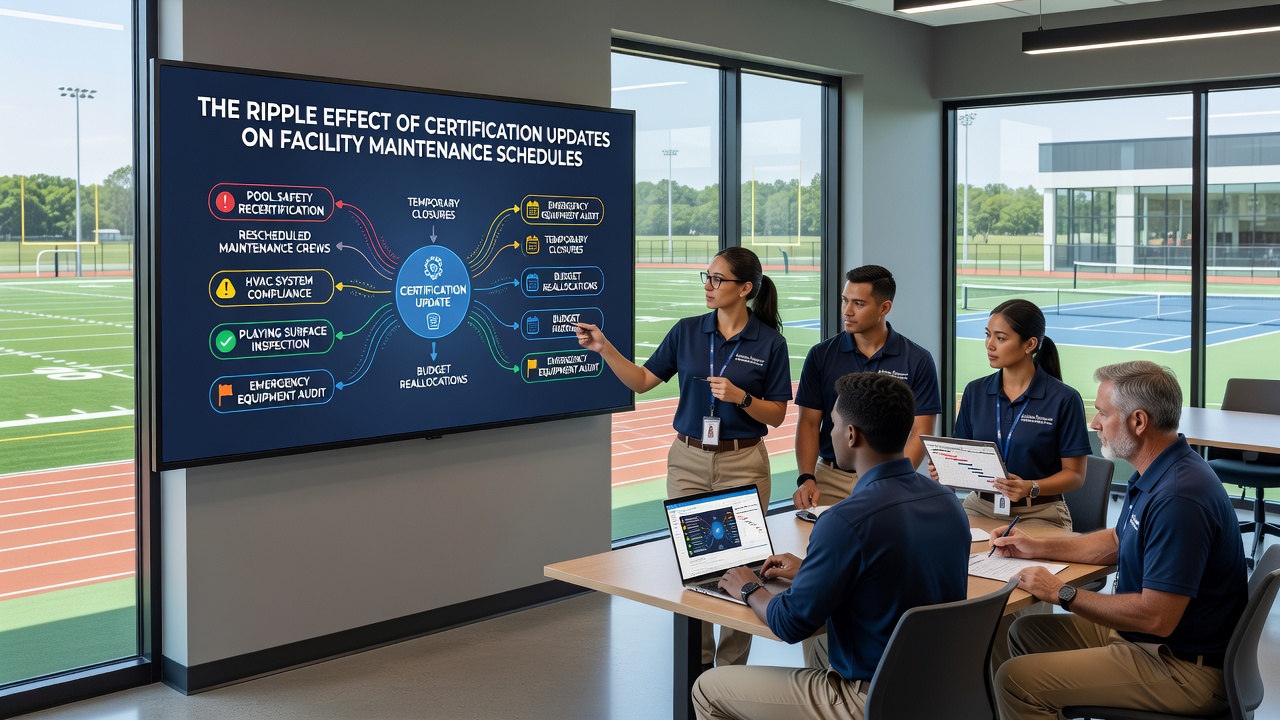
July 2026 marks the enforcement date for several enhanced load-bearing certification protocols in North American facilities, and planners already model the downstream effects on quarterly maintenance blocks. Those models show that reallocating labor hours for the new inspections will require trimming non-critical landscaping cycles by roughly 12 percent during the summer months to stay within existing staffing levels.
Data Patterns and Adaptive Planning Methods
Analysis of maintenance logs from complexes that adopted earlier certification revisions demonstrates clear patterns: tasks that once occurred every 90 days shifted to 75-day intervals in 64 percent of tracked sites, according to aggregated reports from industry benchmarking groups. This compression leaves less buffer for weather delays or supply shortages, prompting managers to build contingency buffers into the preceding quarter.
What's interesting is how these compressed cycles affect training requirements for maintenance personnel, since new certification elements often demand specialized knowledge of updated testing equipment. Complexes that link certification deadlines directly to staff development calendars report smoother transitions, because technicians complete required modules before the verification windows arrive.
Resource Allocation Shifts Triggered by Certification Changes
Budget documents from public athletic departments show that certification-driven maintenance adjustments frequently reallocate funds from capital improvement projects toward immediate compliance work. In one multi-year comparison, facilities redirected approximately 9 percent of their annual equipment replacement budget to cover incremental inspection labor after standards tightened on playing surface traction metrics.
Those who've studied these interactions point out that external regulatory sources, such as OSHA workplace safety guidelines, provide baseline requirements that many athletic certification programs reference when setting their own thresholds. This cross-referencing creates predictable ripple points where federal or state updates automatically trigger local schedule reviews.
Another authoritative perspective comes from academic research at institutions tracking facility performance metrics, including a longitudinal study published through University of Queensland sports infrastructure reports that examined how certification timing influences overall venue uptime rates across different climate zones.
Conclusion
Certification renewals continue to function as catalysts that reorder maintenance priorities across athletic complexes, and the resulting schedule adjustments follow identifiable patterns visible in operational data sets. Facilities that maintain flexible planning frameworks absorb these ripples more effectively by building direct connections between certification tracking systems and daily work order management. As new standards approach their July 2026 implementation dates, ongoing monitoring of these interdependencies helps operators preserve both compliance and operational continuity without unnecessary disruption to event calendars.