Rigorous Routines: Merging Audits with Maintenance for Ironclad Sports Venues
The Push for Integrated Systems in Sports Facilities
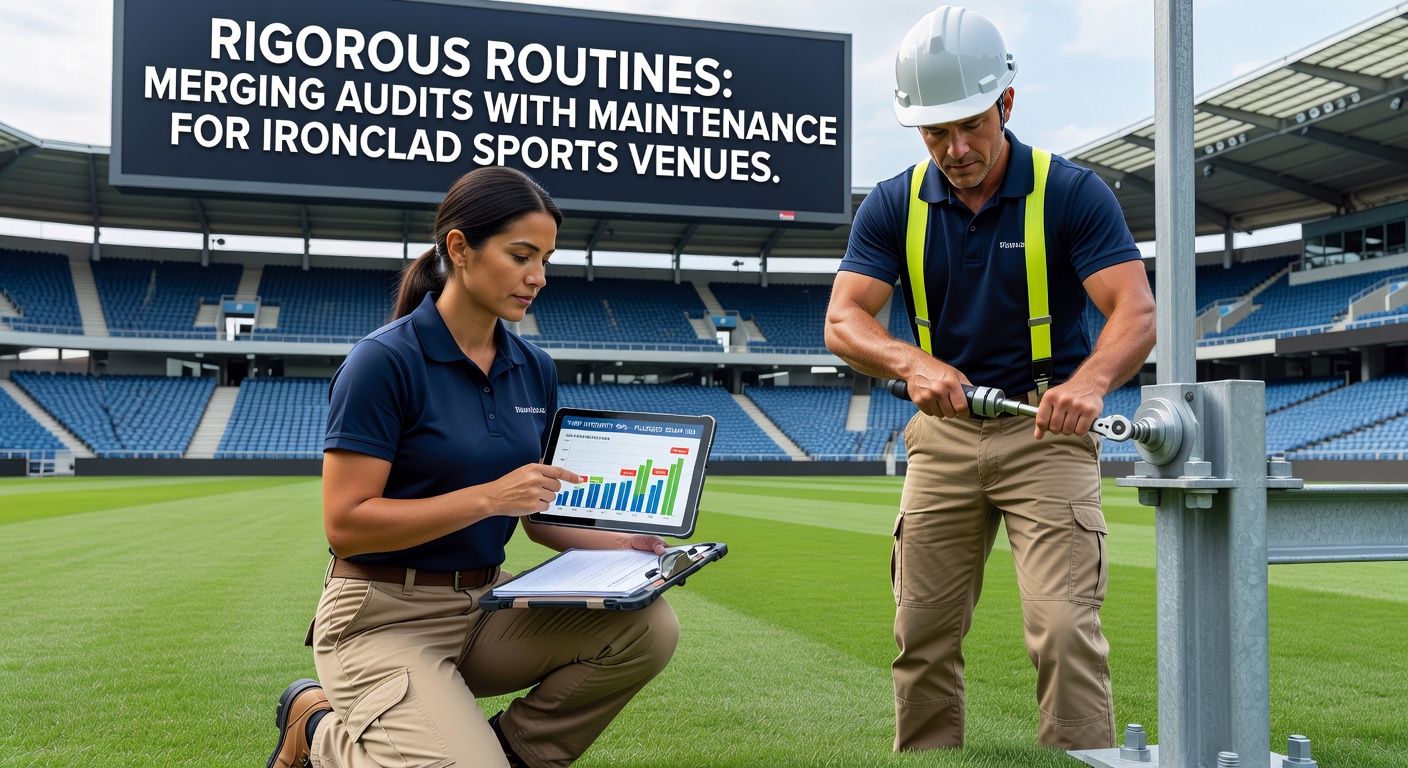
Sports venues handle massive crowds, extreme weather, and constant wear, so operators face mounting pressure to keep everything running smoothly without a hitch; that's where merging audits with maintenance steps in, creating routines that catch issues early while fixing them on the spot. Experts in facility management note that traditional setups often treat audits as one-off events and maintenance as reactive chores, but combining them turns venues into fortresses against breakdowns. Data from industry reports shows venues with integrated programs experience 30% fewer unplanned shutdowns, since teams spot wear during checks and address it immediately rather than waiting for the next cycle.
And here's the reality: high-profile incidents, like the 2023 arena roof collapse in Europe due to undetected corrosion, underscore why separation no longer cuts it; observers point out that fused routines could have flagged the problem months ahead. Those who've implemented these systems report smoother operations, with audits feeding directly into maintenance logs for seamless follow-through.
Building the Framework: How Merging Works in Practice
Teams start by mapping out audit schedules against maintenance calendars, aligning structural inspections with roof repairs or electrical checks with lighting overhauls, so every visit serves dual purposes without adding extra downtime. Software platforms now handle this orchestration, logging audit findings in real-time and auto-generating work orders for maintenance crews; turns out, this approach slashes administrative overlap by up to 40%, according to figures from the National Fire Protection Association venue safety guidelines.
Take one major league stadium in the US where operators synced quarterly audits with bi-monthly turf and seating maintenance; crews discovered weakened bolts during a routine seating check, repaired them that same week, and prevented a potential spectator injury. What's interesting is how this scales: smaller venues adopt simplified versions using checklists that double as repair trackers, while giants like Olympic arenas layer in drone scans for hard-to-reach areas during the same session.
But it doesn't stop at scheduling; training plays a key role, with staff cross-qualified to perform basic audits alongside fixes, ensuring nothing falls through the cracks although larger issues escalate to specialists.
Real-World Gains: Data and Case Studies Back It Up
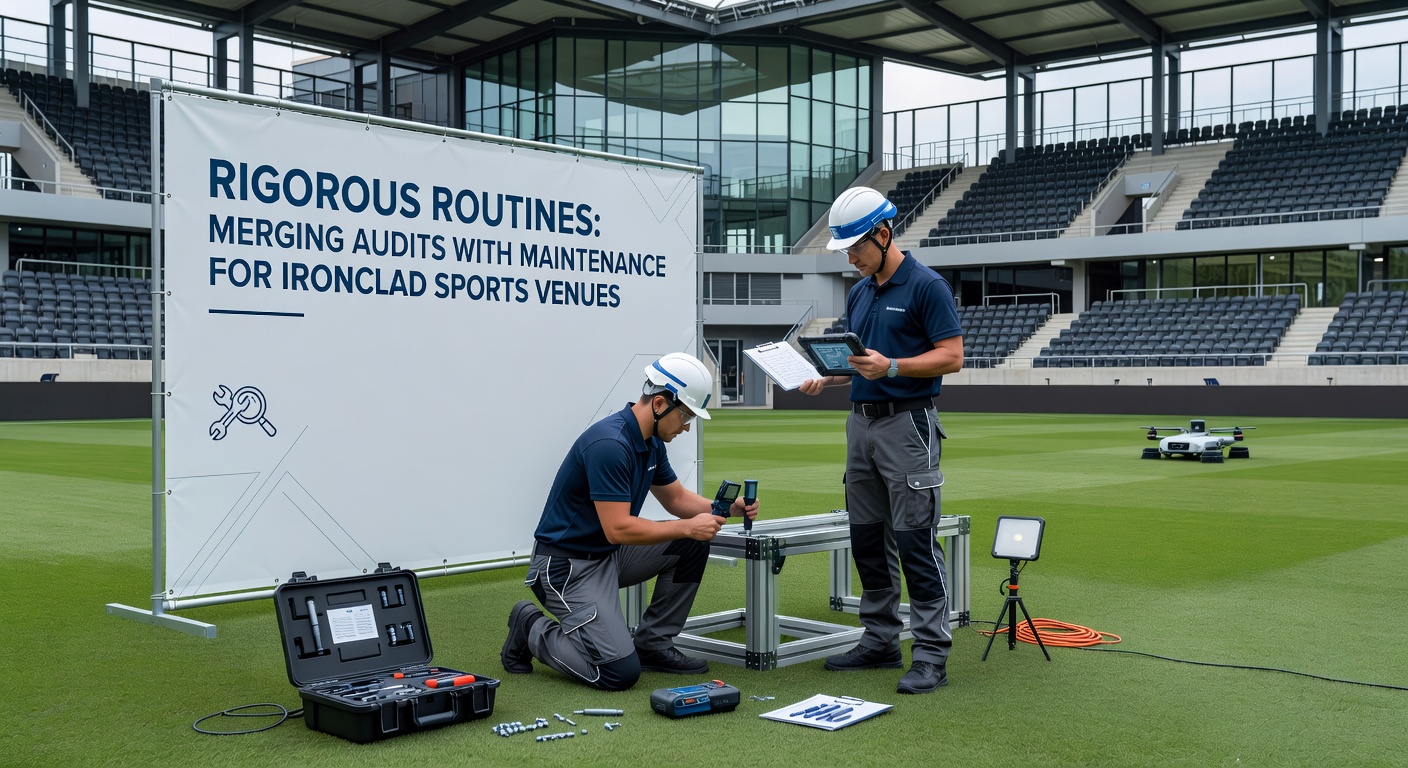
Research indicates venues merging these processes see maintenance costs drop by 25%, since proactive fixes during audits prevent expensive emergencies down the line; one study from a Canadian university sports management program revealed that integrated routines extended equipment life by 15-20% across 50 facilities. People often find the biggest win in compliance: regulators demand regular audits anyway, so baking maintenance into them satisfies both without doubling efforts.
Consider a case in Australia where a rugby stadium fused its annual safety audits with HVAC maintenance; technicians uncovered ductwork vulnerabilities tied to vibration from crowd noise, reinforced them on-site, and avoided a full system failure just before the season opener. That's where the rubber meets the road: these routines don't just check boxes, they build resilience.
Yet challenges arise, like coordinating multi-vendor teams during peak seasons, but digital dashboards resolve this by sharing live audit data, keeping everyone synced although initial setup requires upfront investment.
Tech's Role in Seamless Integration
Sensors embedded in venue structures now feed data into audit apps, alerting teams to anomalies before visual checks even start, while AI predicts maintenance needs based on historical audit trends; facilities using IoT-enabled systems report 35% faster issue resolution. And as May 2026 approaches with the anticipated rollout of enhanced EU venue standards under CEN guidelines, operators across the continent ramp up these merged routines to stay ahead, integrating predictive analytics that forecast wear from usage patterns.
Navigating Regulations Across Borders
Venue managers juggle diverse rules, from US OSHA mandates on structural integrity to Australia's Sport Australia facility guidelines emphasizing ongoing upkeep; merging audits ensures compliance flows naturally into action, with documentation proving both inspection and resolution in one package. In Canada, CSA Group standards highlight the value of unified logs for risk mitigation, showing how integrated approaches align with requirements for annual reporting.
Experts observe that while EU directives focus on crowd safety audits, blending them with maintenance verifies fixes meet the latest resilience benchmarks, particularly timely as preparations heat up for international events in 2026. So venues worldwide adapt these routines to local laws, creating ironclad operations that exceed minimums.
Overcoming Common Hurdles
Resistance from siloed departments slows adoption sometimes, but leadership buy-in changes that, with pilot programs demonstrating ROI through reduced downtime; one mid-sized arena cut emergency repairs by half after six months of merging. Budget constraints hit smaller facilities hardest, yet grants for safety upgrades, like those from US state athletic commissions, make it feasible although scaling gradually works too.
Now, with climate impacts accelerating wear on outdoor venues, these routines prove essential; storms batter roofs and fields, but fused checks catch damage early, scheduling repairs before the next big match.
Looking Ahead: The Future of Fused Operations
Advancements in VR training let crews simulate merged scenarios, honing skills without disrupting live operations, while blockchain secures audit-maintenance records for unbreakable traceability; data suggests this next wave could boost efficiency another 20%. Observers note growing mandates, like upcoming Australian sports infrastructure reviews in 2026, will push more venues toward integration, standardizing routines continent-wide.
Those who've pioneered these systems share stories of transformed facilities: a European soccer pitch that went from frequent floodlight failures to zero outages after syncing electrical audits with replacements. It's noteworthy how this evolution turns potential pitfalls into strengths, keeping fans safe and games on track.
Conclusion
Merging audits with maintenance forges routines that deliver unyielding reliability to sports venues, backed by data showing sharper safety, lower costs, and effortless compliance; as global standards tighten, especially with 2026 milestones on the horizon, facilities embracing this now position themselves for enduring success. Teams that integrate find operations hum smoother, risks fade, and the focus shifts squarely to what matters most: the thrill of the game.