Mapping Oversight Data Flows to Tailored Preparation Sequences Across Community Recreation Zones
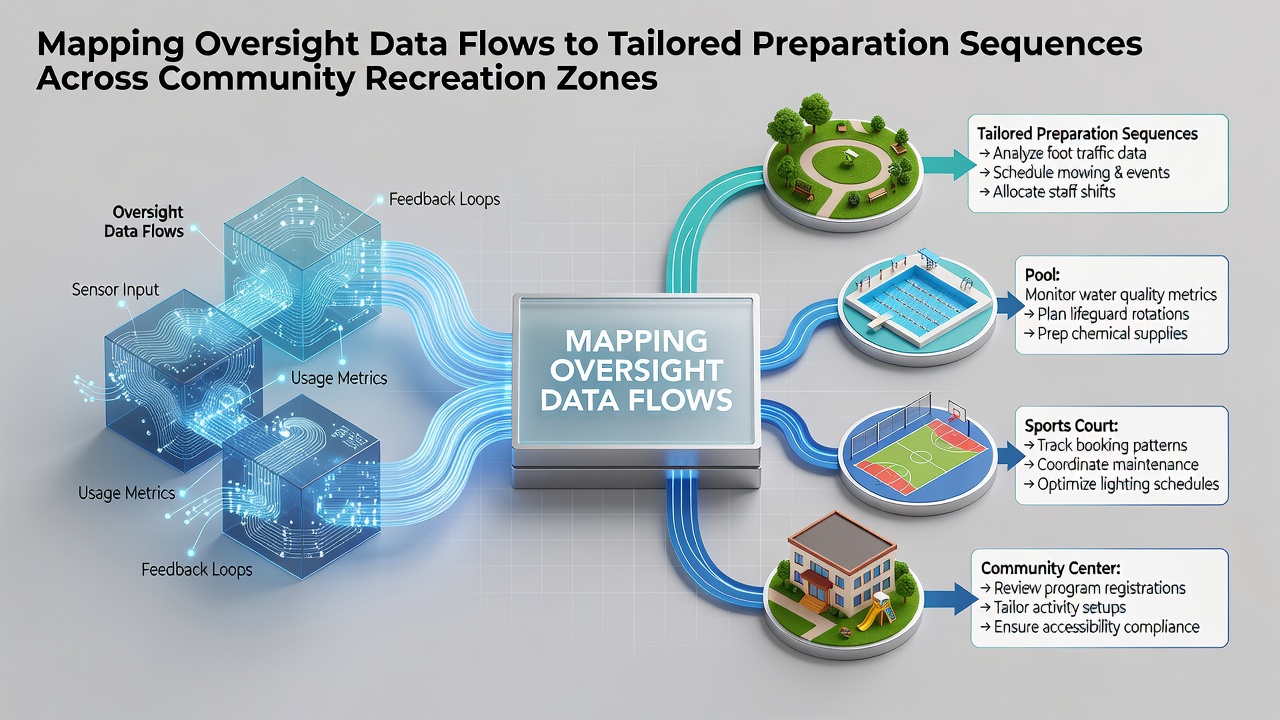
Community recreation zones generate extensive oversight data through routine evaluations of facilities, equipment conditions, and usage patterns, and organizations channel this information into preparation sequences that address specific operational needs at each site.
Analysts track data streams from inspection records, incident logs, and compliance reports as they move through centralized systems that categorize findings by risk level, location type, and seasonal factors. These categorized outputs then feed into customized training modules designed for staff responsible for maintaining athletic fields, playgrounds, and multi-use parks in various municipalities.
Core Components of Data Flow Architecture
Modern oversight frameworks collect quantitative metrics such as equipment failure rates, surface condition scores, and user volume statistics alongside qualitative notes from field personnel. Integration platforms consolidate these inputs using standardized taxonomies that allow cross-site comparisons while preserving site-specific details. Researchers at institutions including the University of Waterloo have documented how such architectures reduce duplication in reporting cycles across regional networks.
Once aggregated, data elements receive tags that link them to relevant regulatory benchmarks and maintenance histories. Automated routing protocols then direct subsets of the information to preparation teams who develop targeted skill-building exercises. For instance, elevated reports of trip hazards at certain trailheads trigger sequences focused on terrain assessment techniques and rapid response drills.
Linking Evaluation Outputs to Operator Training
Preparation sequences adapt based on patterns identified in the mapped data. High-frequency issues like corrosion on playground structures lead to modules covering material inspection protocols and preventive coating applications. Lower-frequency concerns such as drainage problems during heavy rainfall periods result in scenario-based training that incorporates local weather data sets.
Studies from the Australian Institute of Sport indicate that facilities employing mapped data flows achieve measurable improvements in response times to identified deficiencies. Staff members receive updated curricula that reflect real-time adjustments rather than static annual refreshers. Coordination between data analysts and training coordinators occurs through shared dashboards that highlight emerging priorities without requiring separate reporting channels.
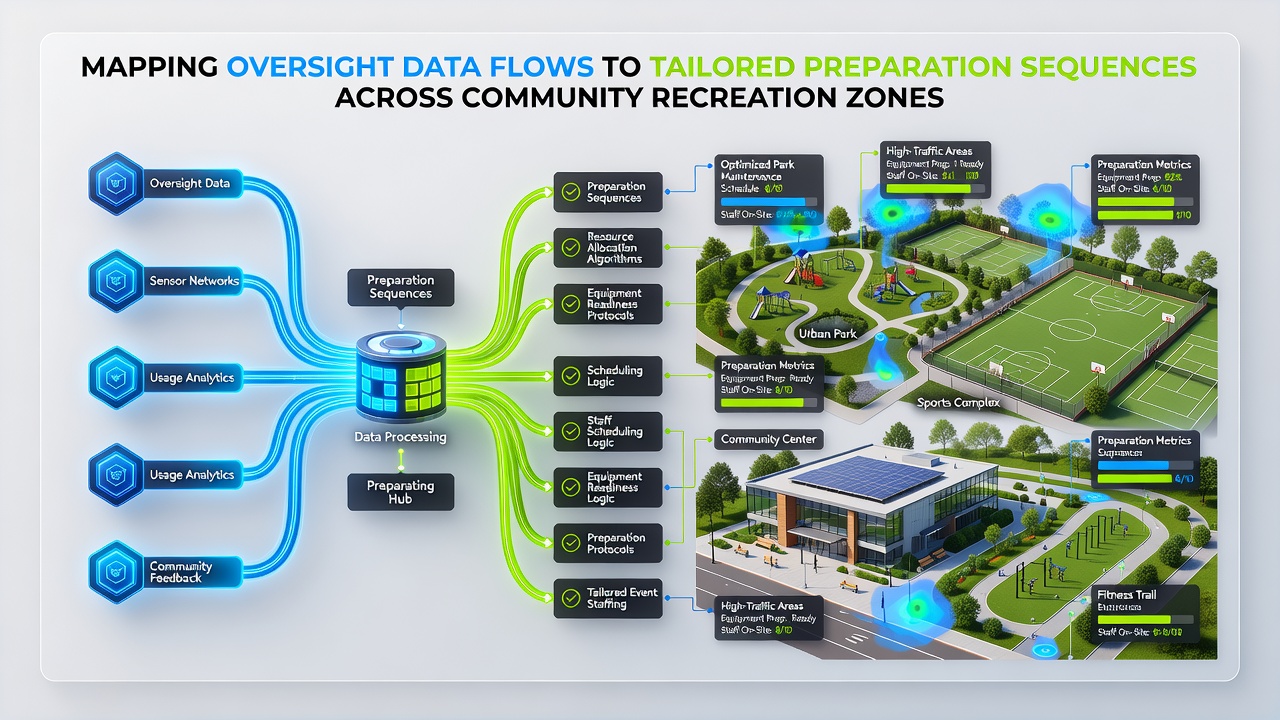
Regional Implementation Patterns Observed Through Mid-2026
North American and European municipalities have adopted variations of these mapping systems at different scales. Larger urban parks departments often maintain dedicated data teams, while smaller community boards integrate oversight outputs through shared service agreements with neighboring jurisdictions. As of June 2026, several Canadian provinces plan to align their recreational facility reporting standards with updated national guidelines that emphasize digital interoperability between evaluation platforms and training delivery systems.
European examples demonstrate similar progress through collaborative networks that pool anonymized data across borders. These networks enable preparation sequences to incorporate comparative benchmarks from comparable climate and usage zones. Observers note that such linkages help operators anticipate challenges before they escalate into compliance concerns.
Challenges in Maintaining Accurate Mapping Connections
Data integrity remains a persistent requirement because incomplete or mislabeled inputs can skew the resulting preparation sequences. Quality control measures include regular audits of tagging accuracy and validation checks against original source documents. Staff turnover in both oversight and training roles necessitates ongoing documentation of mapping logic to prevent knowledge gaps.
Resource allocation presents another consideration, particularly for zones with limited budgets. Municipalities address this through phased rollouts that prioritize high-traffic sites before expanding to lower-use areas. Software vendors increasingly offer modular tools that scale with available staffing levels while preserving core flow pathways from evaluation outputs to skill development activities.
Conclusion
Effective mapping of oversight data flows supports the creation of preparation sequences that align directly with documented conditions across community recreation zones. Continued refinement of these connections depends on consistent data practices, interdepartmental coordination, and adaptation to evolving regulatory expectations. Organizations that sustain these linkages position their facilities for consistent operational performance regardless of seasonal or demographic shifts.