How Safety Protocol Records Drive Tailored Instruction for Maintaining Athletic Site Standards
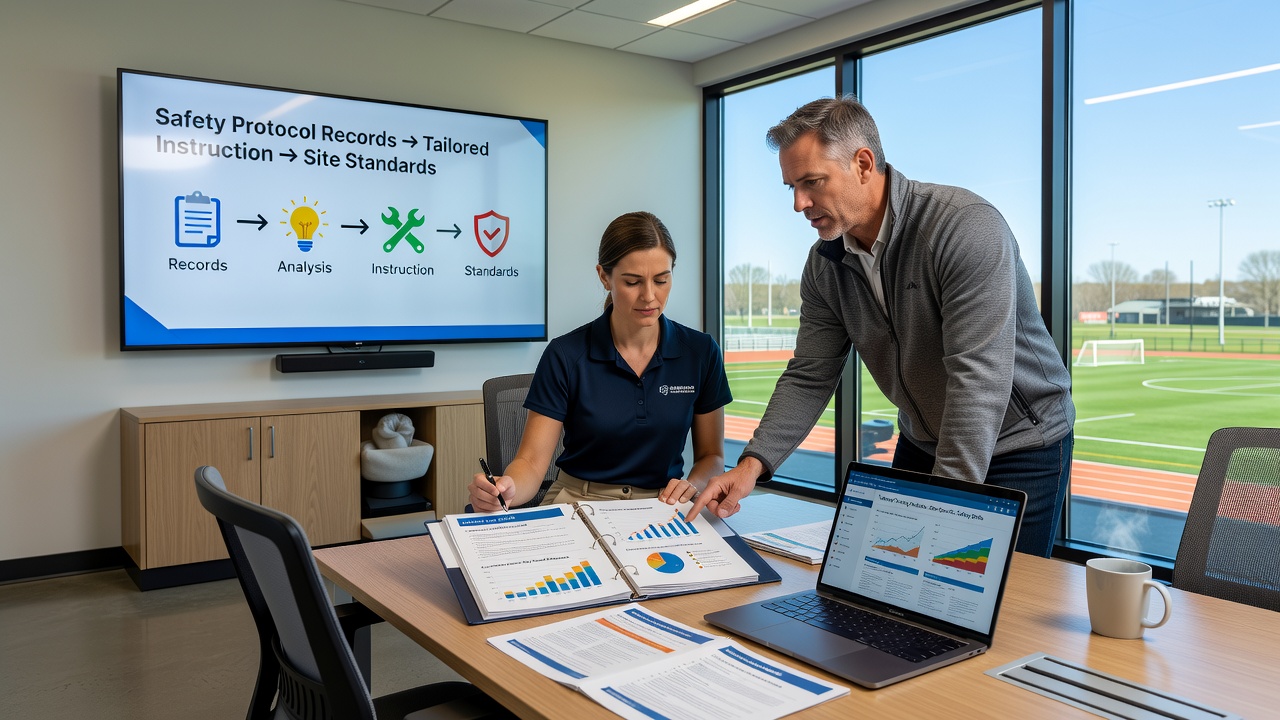
Records compiled from safety protocols capture details on equipment inspections, incident logs, and compliance checks at athletic sites, and these documents feed directly into the creation of customized instruction programs for maintenance teams and operators. Data points such as wear patterns on playing surfaces, response times during emergency drills, and frequency of minor repairs allow trainers to pinpoint exact skill gaps instead of relying on broad overviews that apply equally to every facility.
Observers note that facilities using detailed protocol records adjust their training calendars quarterly, while those without such systems often repeat the same generic modules year after year. The difference shows up in reduced downtime and fewer repeat violations during subsequent audits.
Building Instruction from Accumulated Data
Protocol records include timestamps, equipment identifiers, and corrective actions taken after each check, and analysts extract recurring themes from these entries to shape lesson plans that address the most common failure modes first. For example, when multiple logs show corrosion on outdoor track railings during spring months, instruction modules shift focus to seasonal inspection techniques and protective coating application methods rather than covering unrelated indoor equipment topics.
Training coordinators cross-reference these records with staff certification histories to ensure that sessions target individuals whose previous assessments flagged specific weaknesses. This matching process eliminates redundant content for experienced personnel while providing deeper coverage for newer hires who have not yet encountered the same range of issues.
Integration with Regulatory Timelines
Regulatory bodies schedule reviews that align with data trends pulled from protocol archives, and athletic site managers prepare targeted refreshers in advance of those deadlines. Updates anticipated ahead of June 2026 review cycles in several jurisdictions emphasize digital record integration, prompting facilities to embed real-time logging tools into their existing training workflows so staff can reference live data during instruction sessions.
According to OSHA recordkeeping guidelines, accurate documentation supports the development of corrective training that directly addresses identified hazards. European Agency for Safety and Health at Work resources similarly highlight how longitudinal data sets improve the precision of operator instruction across public sports installations.
Examples from Multi-Site Operations
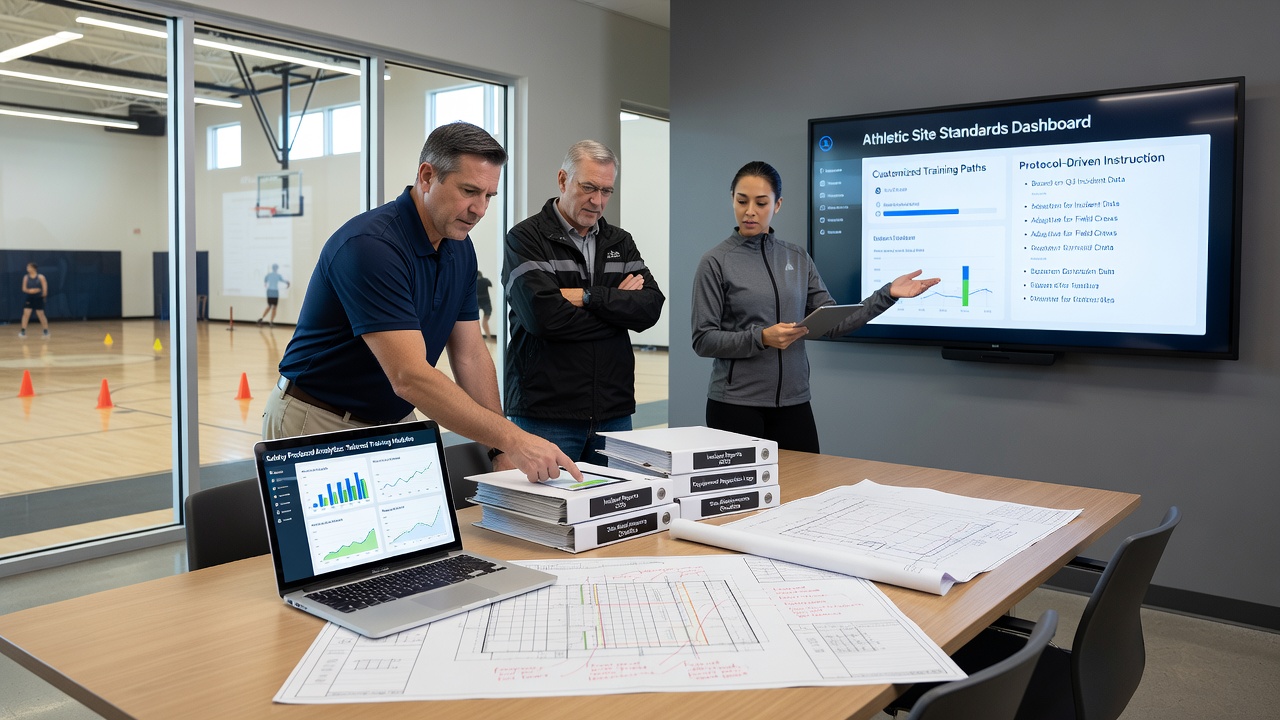
One regional network of community fields noticed repeated entries about drainage problems after heavy rainfall, so they developed a specialized module covering soil testing, grading adjustments, and temporary barrier installation. Staff who completed the module showed measurable improvement in post-storm response times during follow-up evaluations.
Another district incorporated protocol data from school gymnasiums into annual certification refreshers, focusing on electrical panel access and emergency lighting tests after records indicated inconsistent performance in those areas. The approach reduced repeat findings in subsequent compliance visits without expanding overall training hours.
Measuring Outcomes from Record-Driven Programs
Facilities track changes in incident rates and audit scores after implementing instruction shaped by protocol records, and the resulting metrics often reveal faster resolution of issues that previously required multiple visits. Continuous logging allows program administrators to refine modules mid-cycle when new patterns emerge in the data.
Research from occupational health institutes indicates that sites maintaining robust record systems achieve higher consistency in staff performance across shifts because instruction materials stay synchronized with actual site conditions rather than static checklists.
Conclusion
Safety protocol records serve as the foundation for instruction that adapts to the unique conditions of each athletic site, and organizations that leverage these records systematically report more efficient maintenance routines and steadier compliance outcomes. The connection between documented observations and tailored training continues to strengthen as digital tools make record analysis faster and more granular.