How Ongoing Audits Fuel Adaptive Training Modules That Keep Athletic Equipment Aligned with Evolving Regulatory Demands
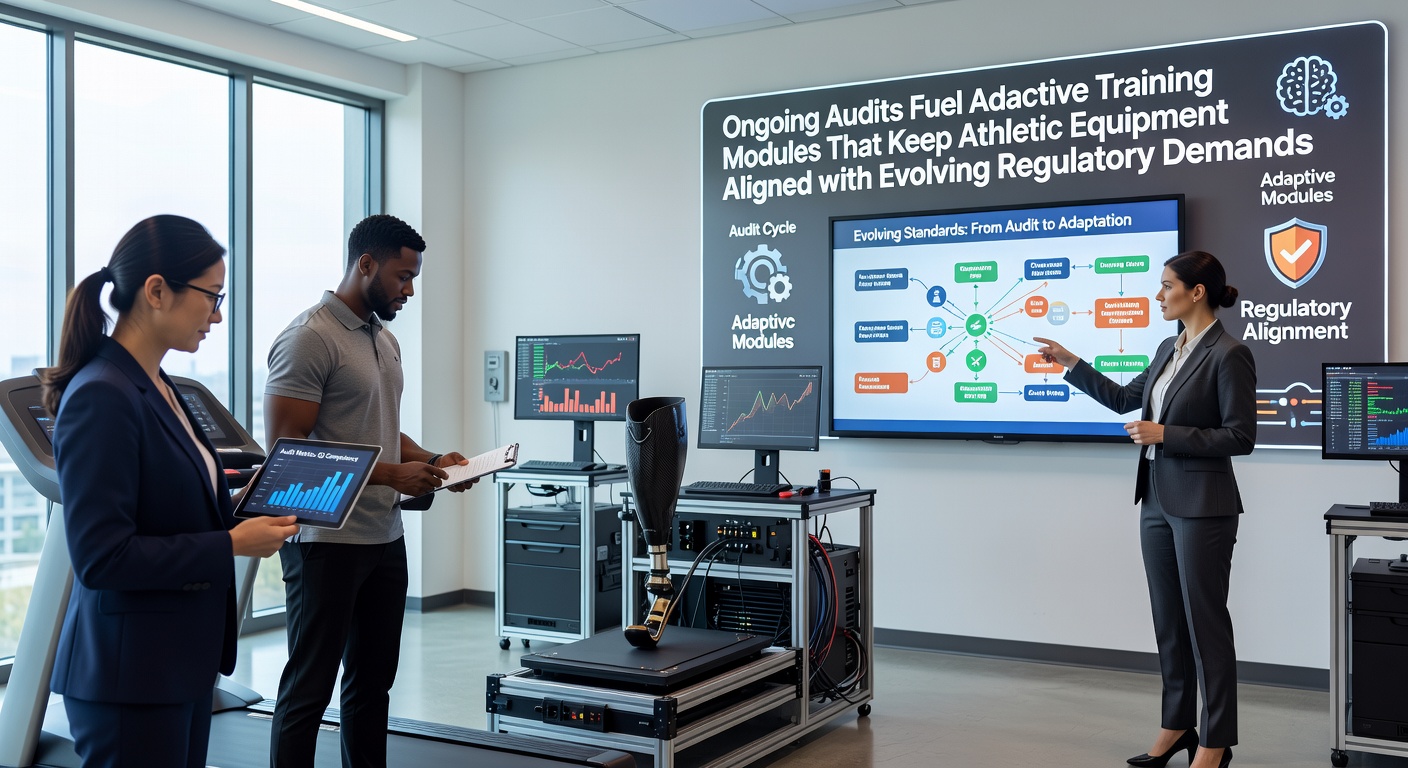
Facilities across multiple sports sectors rely on continuous audit cycles to detect shifts in equipment standards before those changes reach operational deadlines, and this process directly shapes training content that reaches coaches, technicians, and maintenance staff. Auditors examine everything from impact resistance ratings on protective gear to load-bearing specifications for training apparatus, noting each regulatory update as it appears in official gazettes or industry bulletins. Those findings then move into training modules that adjust lesson plans, video demonstrations, and assessment quizzes so personnel apply the newest requirements without delay.
Audit Findings Translate into Module Updates
When inspectors identify a revised torque specification for weight-training racks or an updated certification mark for helmet liners, the data flows into centralized compliance databases that training developers monitor on a weekly schedule. Developers rewrite specific segments rather than rebuilding entire courses, which keeps the material current while preserving core safety principles that remain unchanged. Research from the Australian Institute of Sport shows that modular revisions completed within 30 days of a published standard change reduce non-compliance incidents by measurable margins during subsequent inspections.
Training platforms now embed conditional pathways that activate when an audit flags a new material restriction, for instance, and staff members encounter scenario-based questions that mirror the exact wording found in the updated regulation. This targeted approach avoids the overload that comes with full retraining sessions every time a rule evolves.
Real-Time Data Integration Across Regions
European facilities handling multi-sport complexes have started linking audit software directly to national standards repositories in Germany and France, allowing module content to refresh automatically when a new EN norm takes effect. In North America, similar connections pull updates from the Consumer Product Safety Commission database so that modules reflect revised labeling requirements for youth athletic equipment ahead of the 2026 season. Observers note that these automated feeds cut the average time between regulatory publication and staff awareness from several weeks down to a matter of days.
Case Examples from Multi-Venue Operators
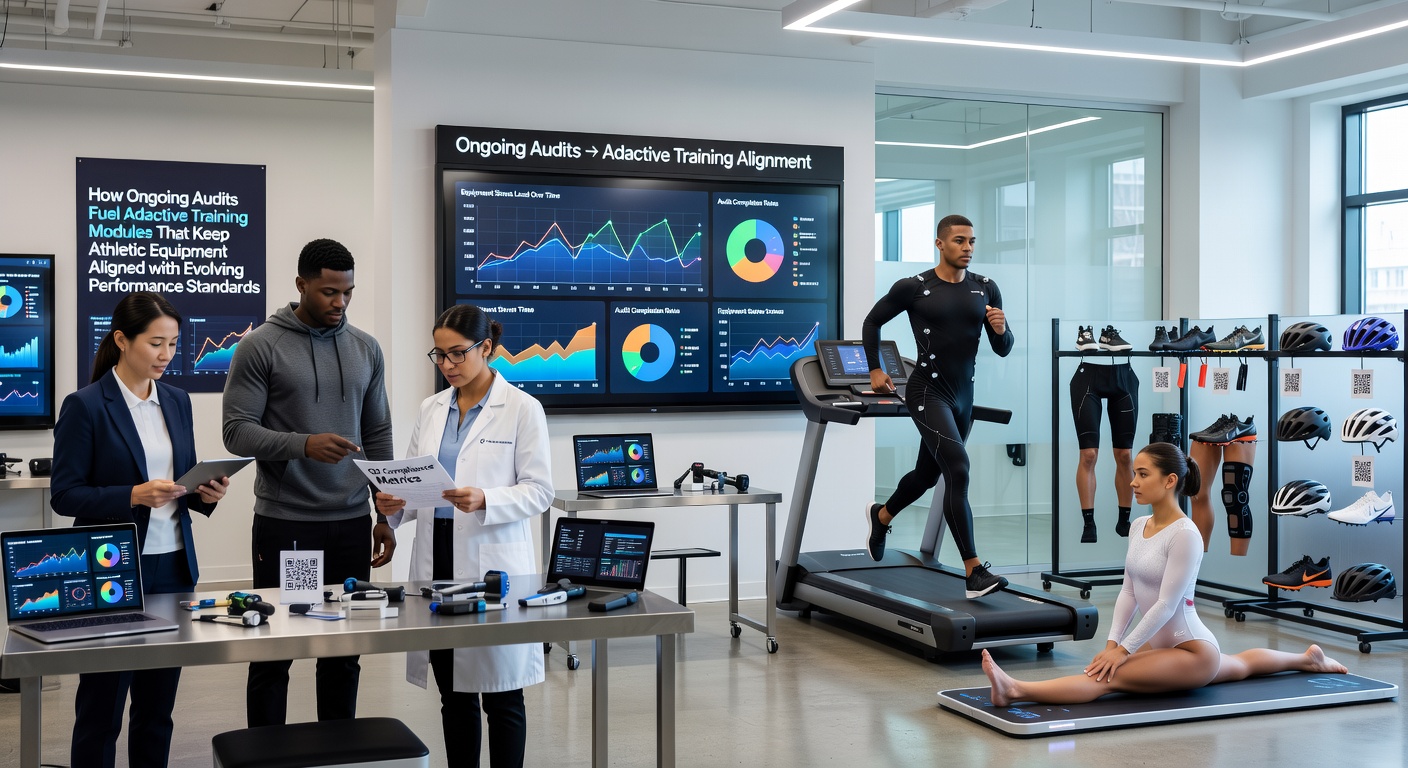
One regional university athletic department discovered through routine audits that several rowing machine footplates no longer met revised stability thresholds set for international competition venues, and the finding triggered an immediate module segment on torque verification procedures using calibrated digital tools. Technicians completed the updated lesson within two weeks, after which follow-up checks confirmed full alignment with the new criteria. Another facility in Canada adjusted its gymnastics equipment training after auditors flagged changes to mat density requirements, and the revised module incorporated side-by-side comparison videos that highlighted the difference between previous and current specifications.
These adjustments occur because audits capture granular details such as serial numbers, batch codes, and installation dates that training systems then cross-reference against regulatory timelines. When May 2026 approaches, several international federations plan to enforce stricter load-testing intervals for overhead suspension equipment, and the advance notice from ongoing audits has already allowed developers to prepare preview modules that facilities can deploy as soon as the rules activate.
Measurement of Training Effectiveness
Performance metrics collected after module updates show higher pass rates on compliance quizzes when content is revised incrementally rather than delivered in large blocks. Data collected by venue management systems indicate that staff members retain procedural details more reliably when scenarios reflect the precise language of the latest standard. Organizations that maintain continuous audit-to-module pipelines report fewer corrective actions during external reviews compared with those that rely on annual refresher courses alone.
Conclusion
Ongoing audits therefore serve as the primary signal that keeps adaptive training modules synchronized with shifting regulatory landscapes for athletic equipment. The flow from inspection findings to revised lesson segments ensures personnel encounter the most current requirements in formats that support quick application during daily operations. Facilities that sustain this connection between audits and training demonstrate consistent alignment with standards that continue to evolve across different sports and regions.