How Facility Review Outcomes Direct Equipment Renewal Timelines in Youth Athletic Programs
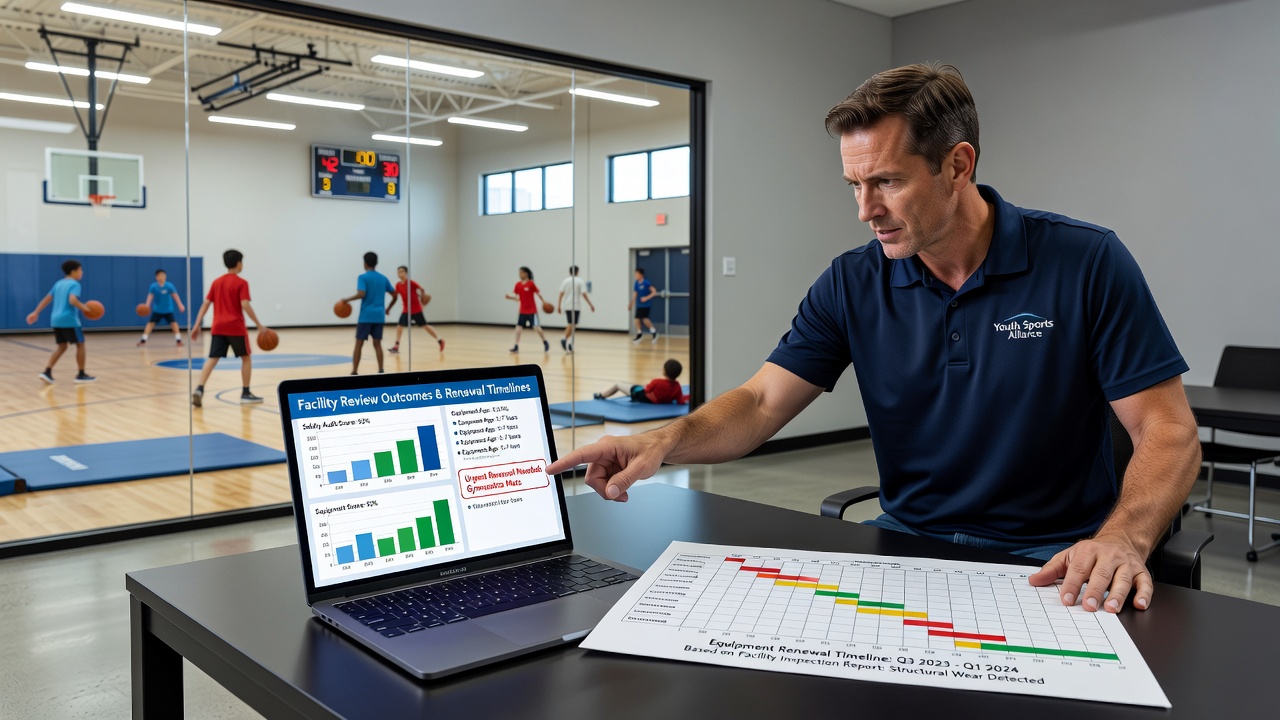 Facility reviews serve as the primary mechanism that shapes when youth athletic programs replace or upgrade their equipment, since inspection findings directly establish risk levels and compliance gaps that dictate replacement schedules. Programs across school districts and community leagues rely on these structured evaluations to prioritize resources, and the resulting data determines whether items like goalposts, mats, or protective gear receive immediate attention or fall into longer-term budgeting cycles.
Core Elements of Facility Reviews in Youth Settings
Evaluations typically cover structural integrity, wear patterns, and adherence to safety standards, which observers note creates a clear pathway from assessment results to renewal decisions. When reviews uncover corrosion on metal frames or degraded padding on landing surfaces, administrators must adjust timelines to address those specific deficiencies before the next season begins. Data from multiple programs shows that high-priority findings accelerate procurement processes, whereas minor issues allow equipment to remain in service with enhanced monitoring protocols.
Those who've studied youth sports infrastructure point out that review outcomes often integrate with regulatory requirements, creating binding schedules for renewal that align with certification deadlines. For instance, programs operating under state athletic association rules use inspection reports to justify expenditures, and this linkage ensures equipment does not exceed its operational lifespan without documented justification.
Translation of Review Findings Into Renewal Schedules
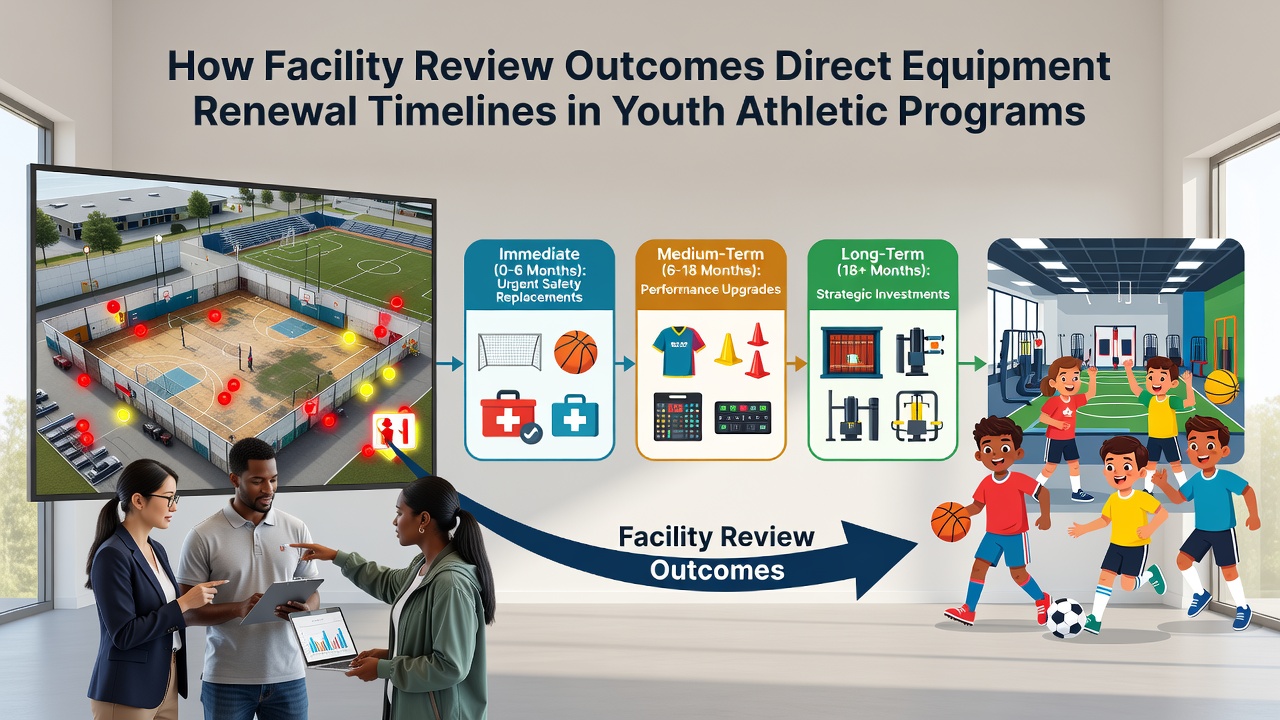
Inspection reports categorize equipment conditions into tiers that correspond directly to replacement windows, and this system allows facility managers to allocate funds methodically rather than reactively. A finding of advanced deterioration on gymnastic apparatus might trigger a six-month renewal window, while surface wear on track equipment could extend to eighteen months with interim maintenance. Researchers have documented how these tiered outcomes reduce unplanned downtime because programs anticipate needs based on accumulated review data rather than sudden failures.
Case Patterns Across Programs
One documented pattern emerges when reviews identify recurring issues with shared equipment across multiple sites, prompting coordinated bulk renewals that optimize costs and standardize safety levels. In June 2026, several regional youth leagues plan to implement synchronized renewal cycles based on aggregated inspection data collected over the prior two years. This approach stems from evidence that clustered replacements improve compliance consistency and minimize variations in equipment quality between facilities.
What's interesting is how the outcomes influence not just timing but also the selection of replacement models, since reports frequently recommend upgrades that meet evolving performance criteria. Programs then incorporate these specifications into bidding documents, which shortens the overall procurement phase once funding approval occurs.
Integration With Budgeting and Compliance Frameworks
Review-driven timelines intersect with annual budget cycles, and administrators use the prioritized lists to secure grants or reallocate existing funds toward critical replacements. According to U.S. Consumer Product Safety Commission guidelines, documented inspection outcomes provide the necessary justification for expedited purchases when safety thresholds are approached. This process ensures youth programs maintain operational continuity while meeting external oversight demands.
Programs that align renewal schedules with review cycles also report improved coordination between maintenance staff and procurement teams, since the data provides a shared reference point for decision-making. Evidence suggests this alignment decreases instances of equipment remaining in use past recommended service intervals, particularly in multi-site organizations where oversight can otherwise become fragmented.
Long-Term Effects on Program Operations
Over successive review periods, accumulated data reveals trends that allow programs to refine their equipment lifecycle predictions and adjust future renewal projections accordingly. Facilities that implement these data-informed timelines experience fewer mid-season disruptions, because replacements occur before critical thresholds are crossed. Observers note that this proactive stance supports consistent participation rates, since athletes encounter fewer interruptions due to unavailable or unsafe gear.
Training modules for facility operators increasingly incorporate review outcome analysis, enabling staff to interpret findings and forecast renewal needs with greater accuracy. The result is a feedback loop where each evaluation cycle strengthens the precision of subsequent timelines across youth athletic venues.
Conclusion
Facility review outcomes establish measurable criteria that directly govern equipment renewal timelines in youth athletic programs, linking inspection data to procurement actions through structured prioritization systems. This connection supports regulatory compliance, optimizes resource distribution, and maintains consistent safety standards across seasons. As programs continue to refine these processes, the emphasis remains on using review findings to guide timely, evidence-based replacements that sustain operational integrity.