From Blueprint to Build: Inspection Reports That Rebuild Sports Venues Stronger
From Blueprint to Build: Inspection Reports That Rebuild Sports Venues Stronger
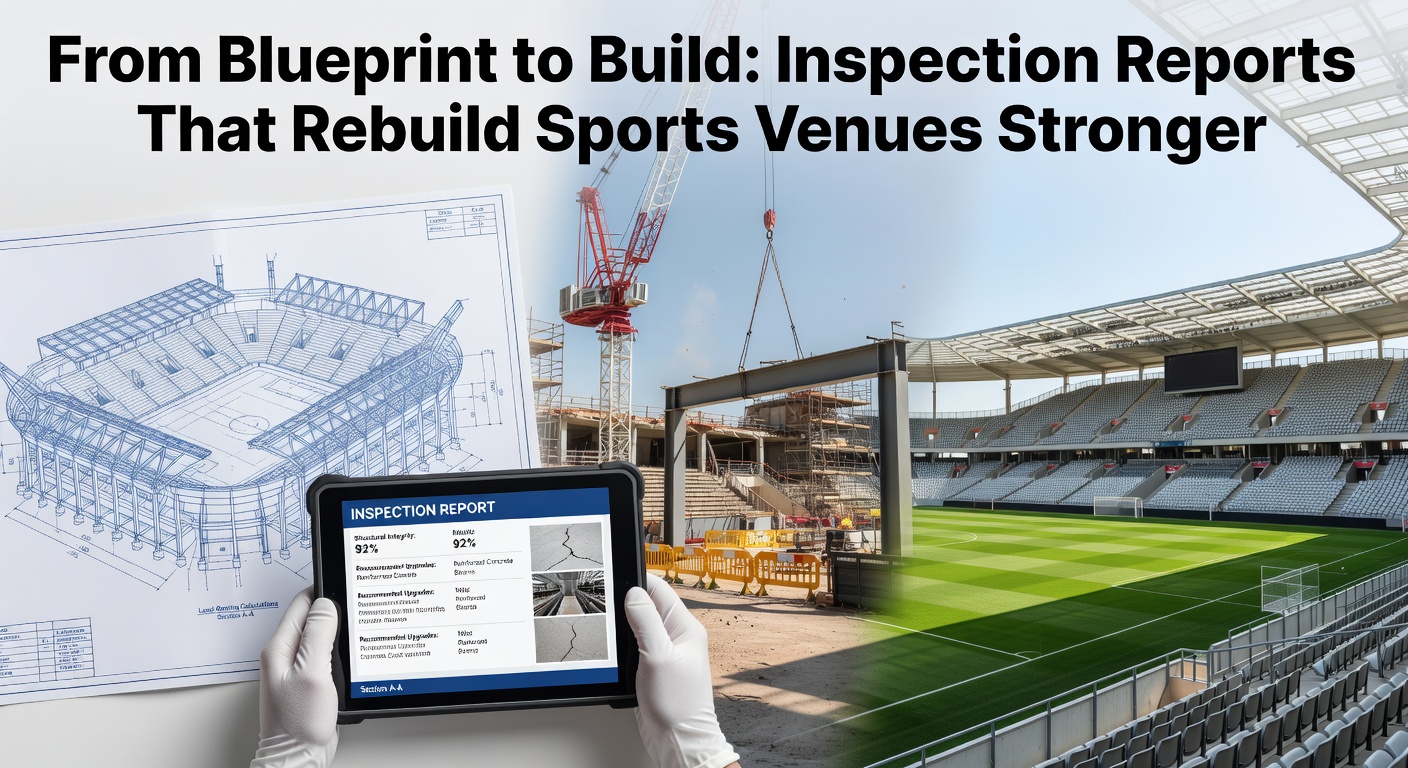
The Starting Line: Why Inspection Reports Matter in Venue Rebuilds
Sports venues take a beating over time, whether from packed crowds jumping in unison during playoffs, severe weather battering exteriors, or earthquakes shaking foundations; when damage forces a rebuild, inspection reports step in as the roadmap that doesn't just fix problems but builds back tougher. Experts note that these reports, compiled by certified inspectors, detail structural weaknesses, code violations, and material failures, turning potential disasters into bulletproof designs. Data from the National Institute of Standards and Technology reveals how past stadium collapses, like those analyzed post-1990s seismic events, prompted protocols where early reports cut rebuild risks by up to 40 percent. And here's the thing: without them, projects balloon in cost and time, as rushed repairs often lead to repeat failures.
Take venues hit by hurricanes; observers have seen how Florida's stadium operators, after Irma in 2017, relied on phased reports to reinforce roofs and flood barriers, ensuring quicker returns to action. Those documents don't just list issues, they prescribe upgrades like seismic dampers or impact-resistant glazing, blending lessons from failures with cutting-edge engineering.
Blueprint Breakdown: Scrutinizing Designs Before the First Pour
Rebuilds kick off with blueprints under the microscope, where inspectors pore over architectural plans, load calculations, and safety specs to flag flaws that could doom the project; this pre-construction review catches everything from inadequate wind bracing to overlooked evacuation routes, saving millions down the line. Researchers at Sport Australia highlight cases where initial reports mandated redesigns for grandstands, boosting capacity while slashing sway risks by integrating advanced modeling software.
But what's interesting is how these reports evolve; they incorporate historical data from similar venues, like noting how older concrete mixes cracked under repeated impacts, then recommending fiber-reinforced alternatives that extend lifespans by decades. One study from Canadian engineers found that blueprint-stage interventions reduced on-site change orders by 25 percent, keeping timelines tight even amid supply chain hiccups.
And yet, not all plans pass muster right away; inspectors often loop back with architects, iterating until simulations prove the structure withstands 150 percent of expected loads, a buffer that turns good designs into great ones.
On-Site Vigilance: Phased Inspections That Shape the Build
As concrete pours and steel rises, inspection reports shift to real-time oversight, with milestone checks at foundation, framing, and envelope stages ensuring every layer aligns with upgraded blueprints; teams verify rebar placement, weld integrity, and drainage systems, documenting deviations in photos and measurements for transparency. Figures from the International Code Council indicate these phased reports prevent 70 percent of common construction defects, like uneven slabs that later cause uneven playing fields.
Now picture a mid-build snag: suppose soil tests reveal unstable subgrade from prior flooding; the report halts work, calls for deep pilings, and recalibrates the entire load path, resulting in a venue that shrugs off future quakes. Experts who've tracked Australian rugby stadium rebuilds post-2022 floods report how such interventions not only met but exceeded seismic codes, with added resilient features like flexible joints.

That said, technology amps this up; drones scan hard-to-reach areas for corrosion precursors, while sensors embedded in forms feed live data into reports, allowing adjustments before pours set. It's not rocket science, but it transforms guesswork into precision, especially when reports integrate BIM models for clash detection.
Case in Point: Real-World Rebuilds Powered by Reports
Consider the reconstruction of a major U.S. baseball park after a 2020 tornado ripped through its roof and supports; initial inspection reports cataloged twisted trusses and water-damaged electricals, leading to a blueprint overhaul with aerodynamic roofing and redundant power grids. By build's end, the venue reopened stronger, hosting sold-out series without a hitch, as per post-occupancy audits.
Across the Pacific, Japan's national soccer stadium, rebuilt after the 2011 earthquake, leaned heavily on iterative reports; engineers documented tsunami modeling in designs, added breakaway walls, and verified each phase with third-party scans. The result? A facility that withstood subsequent tremors, drawing crowds for international matches while serving as a model for seismic retrofits worldwide.
- Key takeaway from these cases: Reports quantified savings, like Japan's project coming in 15 percent under budget due to early detections.
- Another angle: EU football arenas post-windstorm rebuilds used reports to standardize green materials, cutting energy use by 30 percent per league data.
- People often overlook how these documents also guide insurance claims, streamlining funding for extras like LED floodlights.
Turns out, venues that prioritize detailed reporting see fewer disruptions; one mid-sized arena in Canada, rebuilt after a roof collapse, parlayed its reports into certifications that boosted ticket sales through proven safety creds.
Tech and Trends: Modernizing Reports for Tomorrow's Venues
Digital tools now dominate inspection reports, with AI analyzing scan data for micro-cracks invisible to the eye, while cloud platforms let stakeholders track progress in real time; this shift, accelerated by pandemic-era remote audits, ensures rebuilds stay on pace even with global material shortages. Studies from EU construction bodies show AI-enhanced reports flag 50 percent more anomalies, leading to proactive fixes like corrosion-resistant coatings on steel.
So what's next? Regulations ramp up; by April 2026, new Australian standards will mandate digital twins in all major sports venue rebuilds, simulating extreme events from blueprints through occupancy. Observers note this builds on U.S. pilots where virtual reports cut physical inspections by a third, without skimping on thoroughness.
Yet challenges persist: coordinating multi-trade inspections demands ironclad protocols, lest delays cascade; successful projects use standardized templates that bundle findings into actionable dashboards, bridging gaps between engineers and contractors seamlessly.
Wrapping the Framework: Final Reports and Long-Term Wins
Final inspections cap the build with holistic verifications, from fire suppression tests to crowd flow simulations, producing a comprehensive report that certifies the venue not just compliant but resilient; these capstones include as-built drawings annotated with upgrades, handed off to operators for ongoing maintenance. Data indicates facilities with robust final reports experience 60 percent fewer post-opening issues, like HVAC failures during peak events.
Here's where it gets interesting: those reports often spark Phase II upgrades, such as smart sensors for vibration monitoring, extending the venue's competitive edge. Experts emphasize archiving them digitally, as future retrofits pull directly from this goldmine of site-specific intel.
Conclusion: Building Back Better, Report by Report
Inspection reports weave through every stage of sports venue rebuilds, from blueprint critiques that fortify designs to on-site enforcements that realize them, ultimately delivering structures that endure crowds, climates, and catastrophes alike. Cases across continents prove their worth, slashing risks while unlocking efficiencies; as April 2026 brings tighter digital mandates, venues worldwide stand to gain even more from this disciplined approach. The reality is clear: strong reports mean stronger stadiums, ready for whatever the next season throws their way.