Documenting Safety Pathways for Adaptive Maintenance in Educational Play Areas
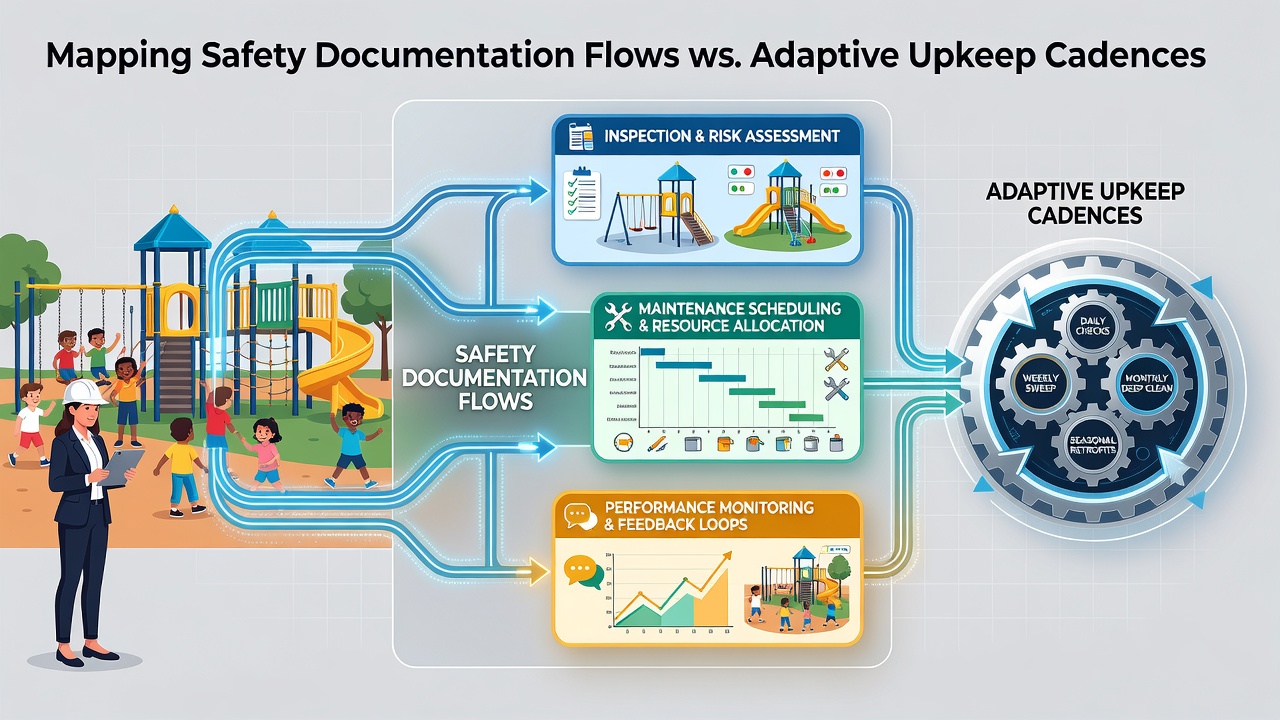
Schools across multiple regions track safety documentation through structured flows that connect inspection records directly to maintenance schedules, and these connections help facilities adjust upkeep intervals based on real usage patterns. Data from playground assessments often reveals wear points on swings, slides, and climbing structures that require more frequent attention during peak school terms. Researchers at various institutions note that when documentation moves from paper logs into digital systems, updates reach maintenance teams faster and reduce gaps between identified issues and corrective actions.
Building Documentation Streams in School Settings
Educational facilities generate safety records through daily visual checks, monthly detailed inspections, and annual comprehensive audits, while these records accumulate details on equipment condition, surface integrity, and surrounding hazards. Staff members log findings into centralized platforms that tag each entry with location coordinates and severity levels, and the resulting data sets allow planners to identify which playground zones experience the highest traffic during recess periods. According to reports from the Consumer Product Safety Commission, consistent documentation practices correlate with fewer repeat failures on high-use components such as handrails and ladder rungs.
Facilities that integrate these streams with weather data and enrollment numbers create cadences that shift seasonally, whereas schools in colder climates extend intervals between surface treatments during winter months when outdoor access drops. Observers note that adaptive schedules emerge naturally once teams review historical patterns rather than following rigid calendars, and this flexibility proves especially useful when sudden events like heavy rainfall accelerate erosion around slide foundations.
Linking Records to Responsive Cadences
Maintenance teams review accumulated safety documentation at regular intervals to recalibrate task frequencies, and they prioritize items flagged across multiple inspection cycles. One study conducted in regional school districts showed that equipment with three or more documented concerns over six months received twice the inspection attention of lower-risk items, while teams adjusted staffing hours accordingly. Those who manage multiple sites often discover that mapping these flows reveals clusters where certain playground types share similar upkeep needs, which allows resource sharing across neighboring schools.
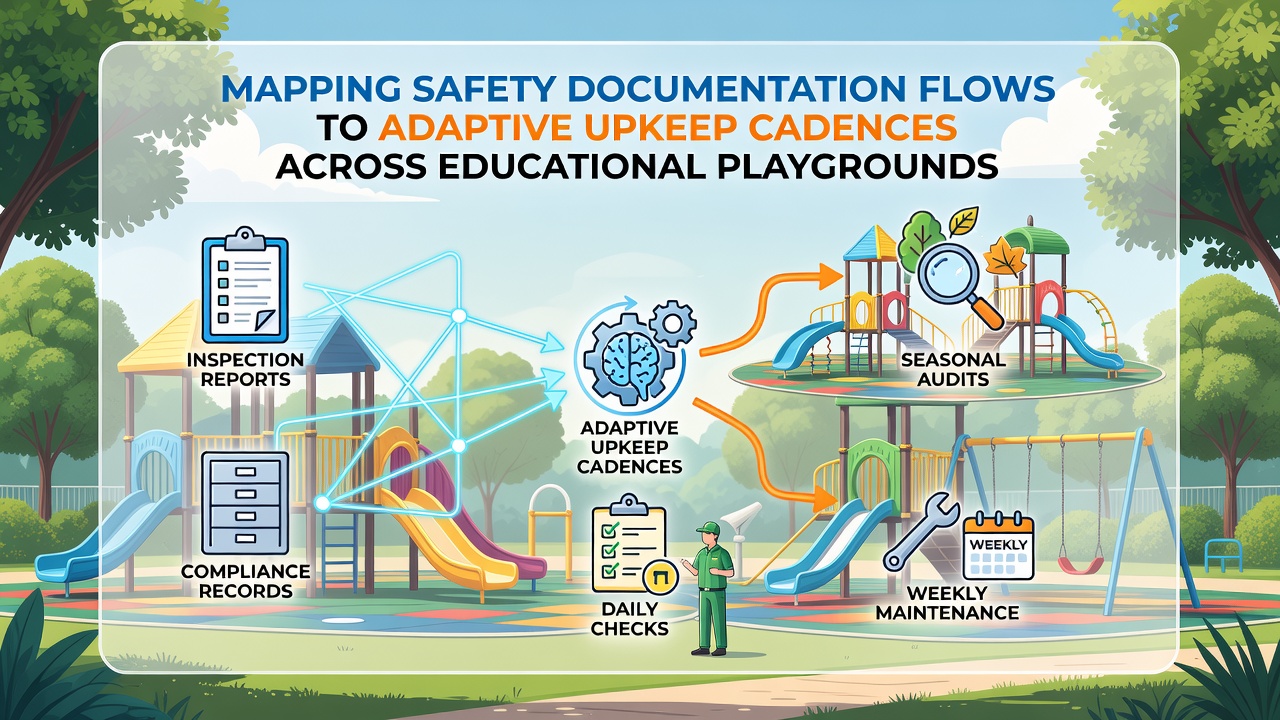
Digital platforms now feed inspection outputs straight into scheduling software that proposes adjusted timelines, yet human oversight remains essential to account for local factors such as community events or construction nearby. Data compiled through mid-2025 indicates that schools adopting these integrated approaches completed 18 percent more preventive tasks before issues escalated, and similar patterns appear in facilities preparing for the 2026 academic year. In July 2026 several districts plan to pilot updated reporting templates that include usage sensors, which will further refine how documentation informs cadence decisions.
Regional Approaches and Data Integration
Standards bodies in Australia emphasize linking playground safety records with long-term asset management plans, and their guidelines encourage schools to review documentation quarterly rather than annually. European frameworks similarly stress the value of feeding inspection outputs into dynamic maintenance models that respond to actual condition data instead of fixed dates. Facilities that follow these models report clearer audit trails when external reviewers examine compliance records.
Training programs for playground supervisors incorporate modules on reading documentation flows, so staff understand how their daily notes contribute to larger scheduling decisions. When teams align these efforts with enrollment trends and seasonal activity calendars, the resulting cadences reduce both downtime and emergency repairs. Research indicates that schools maintaining open channels between inspectors and maintenance crews experience fewer prolonged closures during term time.
Conclusion
Mapping safety documentation to adaptive upkeep cadences creates measurable connections between recorded observations and maintenance timing across educational playgrounds. Schools that sustain these flows through digital tools and regular reviews position themselves to respond promptly when patterns shift, and the approach continues to evolve with new sensor technologies and updated regional standards. Continued attention to these linkages supports safer play environments without relying on static schedules alone.