Data-Driven Fixes: Inspection Reports Steering Sports Venue Longevity
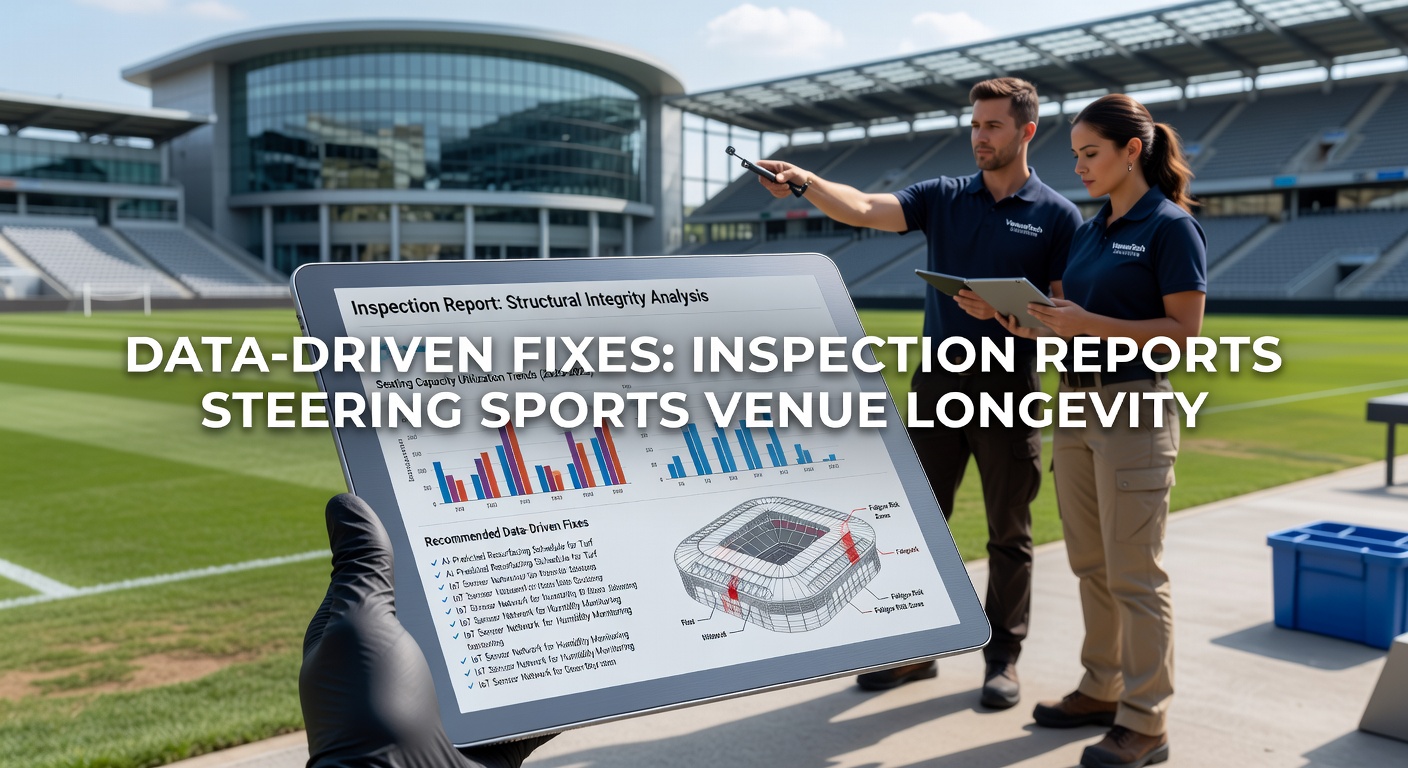
The Power of Data in Sports Venue Inspections
Sports venues stand as monumental structures enduring crowds, weather, and constant use, yet their longevity hinges on more than robust construction; inspection reports packed with data now guide fixes that extend lifespans by years, sometimes decades. Teams collect metrics on everything from roof trusses to seating bolts during routine checks, turning raw numbers into actionable insights that prevent small cracks from becoming catastrophic failures. Data shows venues using these analytics cut major repair costs by up to 30%, according to a ASCE report on infrastructure, while boosting safety for fans and athletes alike.
What's interesting here involves the shift from gut-feel maintenance to precision-driven strategies; inspectors now deploy sensors capturing vibration patterns, moisture levels, and load stresses in real time, feeding information into centralized databases that flag anomalies before they escalate. One arena manager noted how quarterly reports revealed subtle corrosion in support beams, prompting targeted coatings that added 15 years to the structure's projected life—all without full shutdowns.
How Inspection Data Transforms Maintenance Routines
Traditional inspections relied on visual checks and clipboards, but data-driven approaches integrate software platforms where reports generate heat maps of wear-and-tear hotspots; engineers then prioritize fixes based on risk scores derived from historical trends and predictive models. Turns out, machine learning algorithms sift through years of data to forecast failures—like predicting turf drainage issues from rainfall patterns combined with soil compaction readings—allowing crews to intervene early and proactively.
And it's not just about structures; equipment like scoreboards and lighting rigs benefits too, as vibration data from crowd movements correlates with fastener loosening, steering preemptive tightening schedules that slash downtime. Researchers at the National Research Council Canada analyzed over 50 facilities and found those leveraging digital inspection logs extended operational lifespans by 25% on average, since patterns emerge across seasons and events that manual reviews often miss.
But here's the thing: integration matters; venues syncing inspection data with facility management systems create closed-loop feedback, where post-fix reports verify improvements and refine future predictions, creating a virtuous cycle of refinement.
Real-World Case Studies: Venues That Thrived on Data
Take the case of a major Australian soccer stadium where annual inspections uncovered micro-fractures in concrete stands via ultrasonic testing data; analysts cross-referenced this with attendance loads and wind exposure metrics, leading to fiber-reinforced injections that restored full integrity without evacuation. Figures reveal the venue, now over 40 years old, operates at peak capacity, its longevity boosted by data steering those precise interventions.
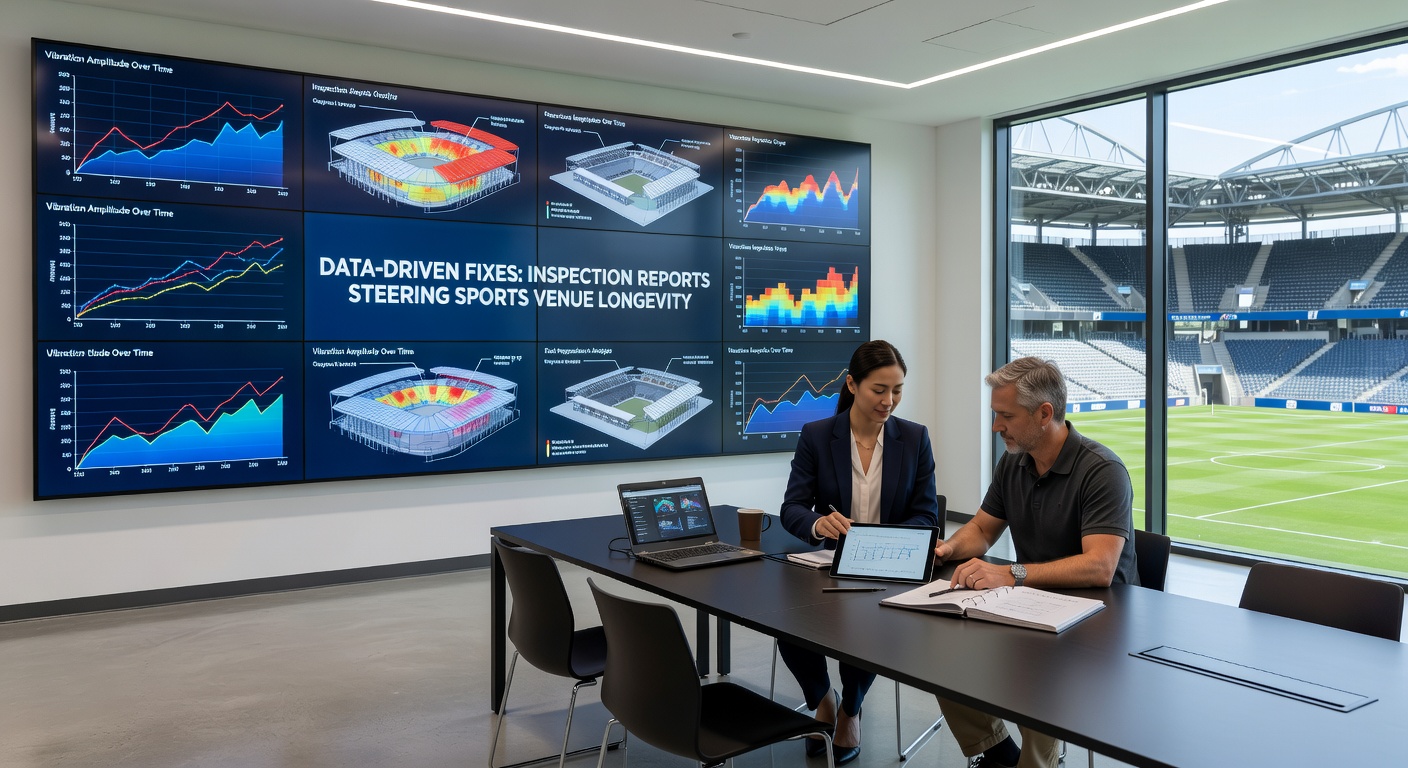
Another example unfolds at a European ice rink complex, where thermal imaging reports highlighted insulation gaps causing energy waste and pipe stress; by correlating this data with usage hours and humidity logs, operators installed targeted seals, reducing maintenance calls by 40% and projecting an extra decade of service before major overhauls. Observers note how such stories repeat across continents, with data dashboards becoming standard tools that turn inspectors into strategic advisors.
Yet challenges persist; older venues struggle with legacy data silos, but cloud-based platforms now bridge gaps, allowing seamless uploads from mobile apps during walkthroughs and generating trend reports that highlight escalating risks—like gradual settling in foundation slabs detected through repeated laser leveling scans.
Key Metrics and Technologies Driving Longevity
Core metrics dominate these reports: deflection ratios under load, corrosion depth via half-cell potential tests, and fatigue cycles on dynamic elements like retractable roofs; when plotted over time, they reveal acceleration points signaling urgent action. Drones equipped with LiDAR now map exteriors in hours, producing 3D models layered with inspection data for virtual stress simulations that predict longevity under various scenarios.
So, predictive analytics take center stage; algorithms trained on global datasets—like those from FIFA-sanctioned events—forecast wear based on event frequency and environmental factors, helping venues schedule fixes during off-seasons. Studies found facilities adopting these tools avoid 70% of unplanned closures, since data spots issues like HVAC strain from packed houses before systems falter.
It's noteworthy that May 2026 brings the International Sports Facility Management Conference in Sydney, where experts will showcase updated data protocols from recent trials, including AI-enhanced report generation that cuts analysis time by half while sharpening accuracy on longevity projections.
Regulatory Frameworks and Industry Standards
Governing bodies enforce data use in inspections; in the US, ASTM standards mandate digital logging for public assembly structures, ensuring reports include quantifiable benchmarks like crack widths under 0.3mm trigger immediate review. Across the EU, EN 1991 Eurocodes integrate lifecycle data into design approvals, compelling operators to submit trend analyses from inspections to renew certifications.
Australia's Building Code requires risk-based maintenance plans drawn from inspection datasets, while Canadian guidelines under the National Building Code emphasize data-driven retrofits for seismic zones. These frameworks converge on one truth: venues submitting verifiable data trails receive extended compliance windows, rewarding those who digitize reports diligently.
Industry groups like the International Association of Venue Managers push benchmarks, with members reporting 18% longer asset lives through shared data repositories that benchmark against peers—think collaborative dashboards revealing how one rink's de-icing protocol halved refreezing cracks compared to averages.
Challenges and Emerging Solutions
Not every venue adapts smoothly; budget constraints delay sensor installs, and data overload confounds smaller operators, yet affordable IoT kits now democratize access, streaming metrics directly into free analytics apps tailored for sports facilities. Training programs bridge skill gaps, teaching staff to interpret dashboards without engineering degrees.
Now, blockchain enters the picture for tamper-proof report chains, ensuring audit trails hold up under regulatory scrutiny; one pilot in a US baseball park verified fix histories back 20 years, streamlining insurance renewals and financing for upgrades. The reality is, these fixes compound—early data catches issues compounding over seasons, steering venues toward 50+ year careers instead of premature retirements.
People who've implemented this often discover ancillary wins, like optimized energy use from lighting audits revealing LED upgrades backed by usage data, slashing bills while extending fixture lives.
Conclusion
Data from inspection reports reshapes sports venue management, steering fixes that fortify structures against time's toll and usage's grind; venues embracing this approach not only outlast expectations but operate safer, cheaper, and more reliably. As technologies evolve and standards tighten—especially with events like the 2026 Sydney conference accelerating adoption—the path forward looks clear: data remains the ultimate navigator for longevity. Facilities ignoring it risk the writing on the wall, while adopters secure legacies built to last.