Connecting Equipment Check Data to Responsive Training Protocols for Operators in Public Recreation Zones
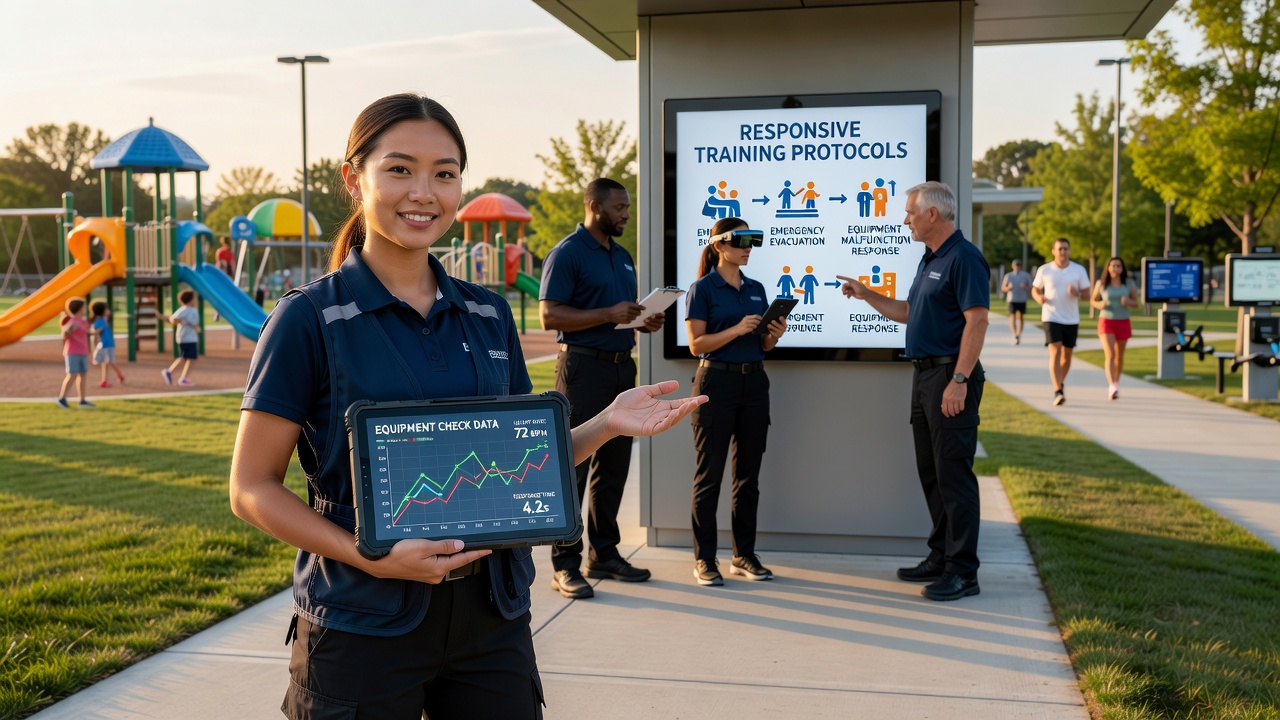 Public recreation zones rely on systematic equipment checks that generate detailed data sets, and those records now feed directly into training programs designed for operators who manage parks, playgrounds, and multi-use fields. The process begins when inspectors document wear patterns, structural integrity, and compliance gaps during routine visits, then organizations convert those findings into targeted modules that address specific skill gaps among staff. Operators in these settings encounter everything from swing sets and climbing structures to irrigation systems and lighting arrays, so the data must highlight precise maintenance sequences rather than generic overviews. Facilities that integrate check results with training calendars report fewer repeat violations during subsequent audits, according to records maintained by regional park departments across multiple states.
Data Streams from Routine Equipment Verifications
Equipment verification produces quantitative outputs such as torque measurements, corrosion depth readings, and usage-hour logs that accumulate over time. These metrics reveal which components experience accelerated degradation in high-traffic zones, allowing training coordinators to prioritize instruction on those exact failure modes. One municipal parks department tracked bolt loosening rates on fitness equipment over eighteen months and subsequently developed a hands-on module that reduced re-inspection failures by focusing on torque verification techniques.
July 2026 marks the scheduled rollout of updated federal playground safety guidelines that emphasize digital record-keeping, and several districts have already begun mapping their existing check data against the forthcoming requirements. The transition requires operators to interpret sensor outputs from newer monitoring devices while still performing manual checks on legacy installations, creating a dual-skill requirement that training protocols must accommodate.
Translating Findings into Operator Skill Modules
Training designers extract recurring issues from check databases and build scenario-based exercises around them. For instance, when inspection logs repeatedly note loose anchoring on slides in sandy soil conditions, the corresponding module includes soil compaction testing and anchor re-torquing under simulated weather variables. Staff members practice these steps on-site rather than in classroom settings, which improves retention of the procedures.
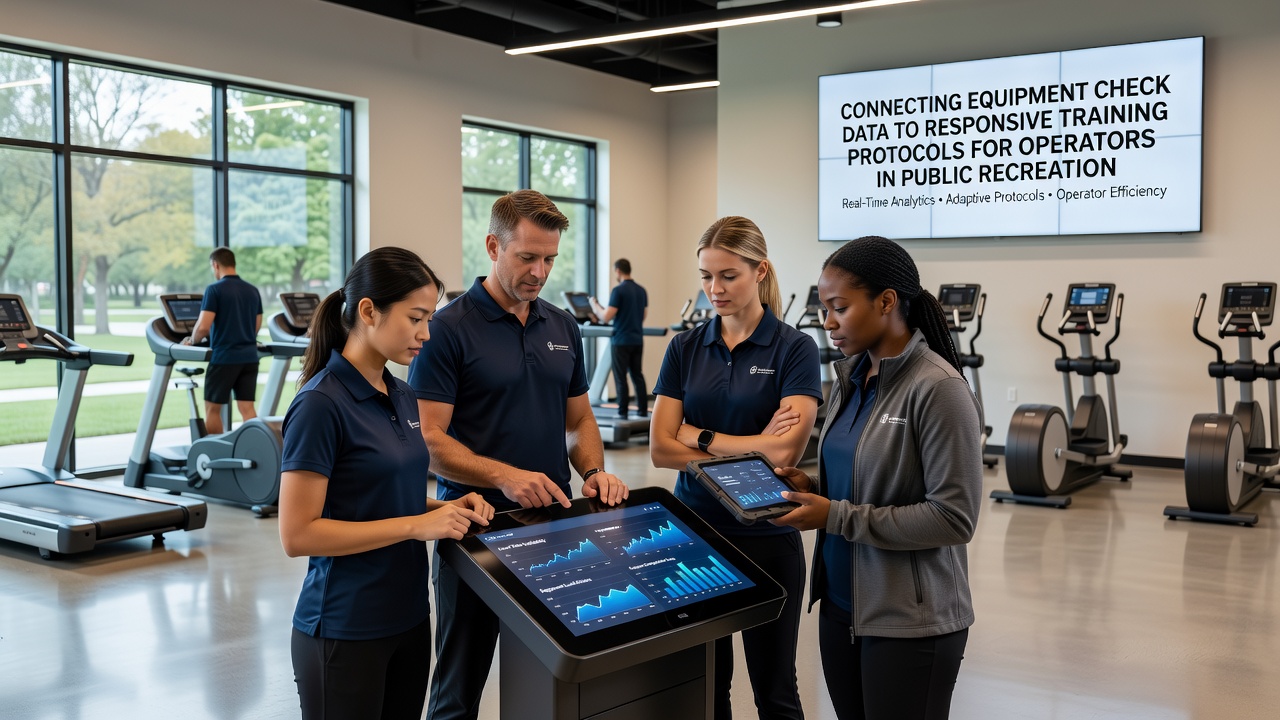
Canadian provincial recreation associations have published frameworks that link verification timelines directly to certification renewal cycles, and similar approaches appear in Australian local government guidelines. Both sources stress that training content should refresh whenever check data shows new risk clusters, rather than following fixed annual schedules. This responsiveness keeps operator knowledge aligned with actual field conditions instead of outdated assumptions.
Implementation Patterns Across Multiple Jurisdictions
Some districts embed check data feeds into mobile training applications that push short refresher segments to operators the day after an inspection flags a particular component. Others schedule quarterly workshops where teams review aggregated data from the previous period and rehearse corrective actions on the equipment that triggered the most flags. Both methods rely on the same principle: the inspection output becomes the curriculum trigger.
Research from university engineering departments that studied municipal recreation systems indicates that facilities using data-linked training complete corrective actions 22 percent faster than those relying on standardized curricula alone. The improvement stems from operators practicing the exact repairs their sites require rather than generic procedures that may not match local equipment inventories.
Tracking Outcomes and Adjusting Protocols
Organizations monitor whether subsequent equipment checks show reduced recurrence of previously flagged issues, which serves as the primary success metric. When repeat findings drop, coordinators retain the training elements that produced the improvement and refine segments that did not. This feedback loop operates continuously because new check data arrives on predictable cycles throughout the year.
European standards bodies have begun requiring documented connections between inspection records and staff competency updates as part of broader venue certification processes, and several North American districts have adopted parallel internal policies ahead of potential regulatory changes. The pattern demonstrates that data-to-training linkages function across different administrative structures when the underlying information remains accessible and categorized by equipment type and location.
Conclusion
Equipment check data supplies the factual foundation for training protocols that address real conditions in public recreation zones, and organizations continue to refine the linkage through iterative review of inspection outcomes. As July 2026 approaches, facilities that have already aligned their data streams with upcoming guideline revisions stand positioned to maintain compliance without major disruptions to daily operations. The approach relies on consistent data capture, targeted module development, and ongoing measurement of whether training reduces the issues originally identified during checks.