Building Stronger Athletic Environments by Aligning Audits with Evolving Safety Standards
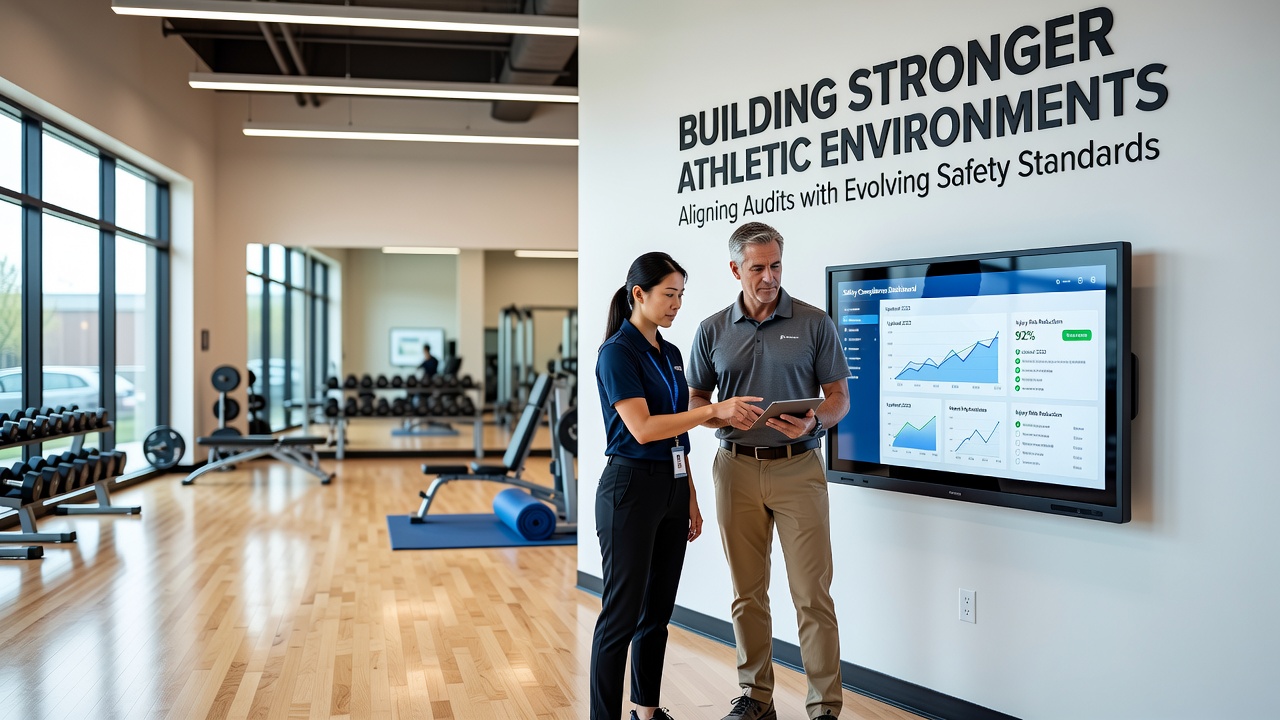
Facility managers across school districts, municipal parks, and professional sports complexes face constant pressure to keep athletic spaces compliant with shifting regulations, and those who integrate audit processes with updated safety benchmarks create environments where equipment failures become less frequent while operational continuity improves over time.
Regulatory Shifts Shaping Athletic Venue Requirements
Standards bodies update guidelines periodically to reflect new materials, usage patterns, and incident data, and in July 2026 several international frameworks will incorporate revised load-testing thresholds for multi-use surfaces along with enhanced requirements for impact-absorbing padding around fixed structures. Research from the Centers for Disease Control and Prevention shows that facilities conducting structured audits aligned with these updates experience measurable reductions in preventable injuries during peak activity months.
Observers note that organizations adopting these changes early often streamline their documentation workflows, since audit findings feed directly into maintenance schedules rather than remaining isolated reports. Data from the European Agency for Safety and Health at Work indicates similar patterns across member states where venues synchronized inspection cycles with evolving directives on fall protection and equipment certification.
How Audit Integration Strengthens Daily Operations
When audit teams review both physical assets and procedural records in a single pass, they identify gaps between installed equipment and current certification criteria before those gaps widen into compliance issues. This approach allows venue operators to allocate resources toward targeted upgrades instead of broad overhauls that strain budgets unnecessarily.
Take one regional athletic hub that adjusted its quarterly audit protocol in advance of the 2026 updates; staff retrained on new verification checklists while simultaneously logging equipment age and usage hours, which produced clearer timelines for component replacement. The result was fewer emergency shutdowns during tournament seasons because potential failures surfaced through routine data review rather than sudden breakdowns.
Connecting Findings to Adaptive Training Sequences
Audit outputs frequently highlight skill shortfalls among maintenance crews, and facilities that route those observations into customized training modules keep staff current with both equipment specifications and regulatory language. Studies from Canadian provincial safety boards reveal that sites linking verification results to skill-building programs sustain higher compliance rates across multi-year periods compared with those treating audits as standalone events.
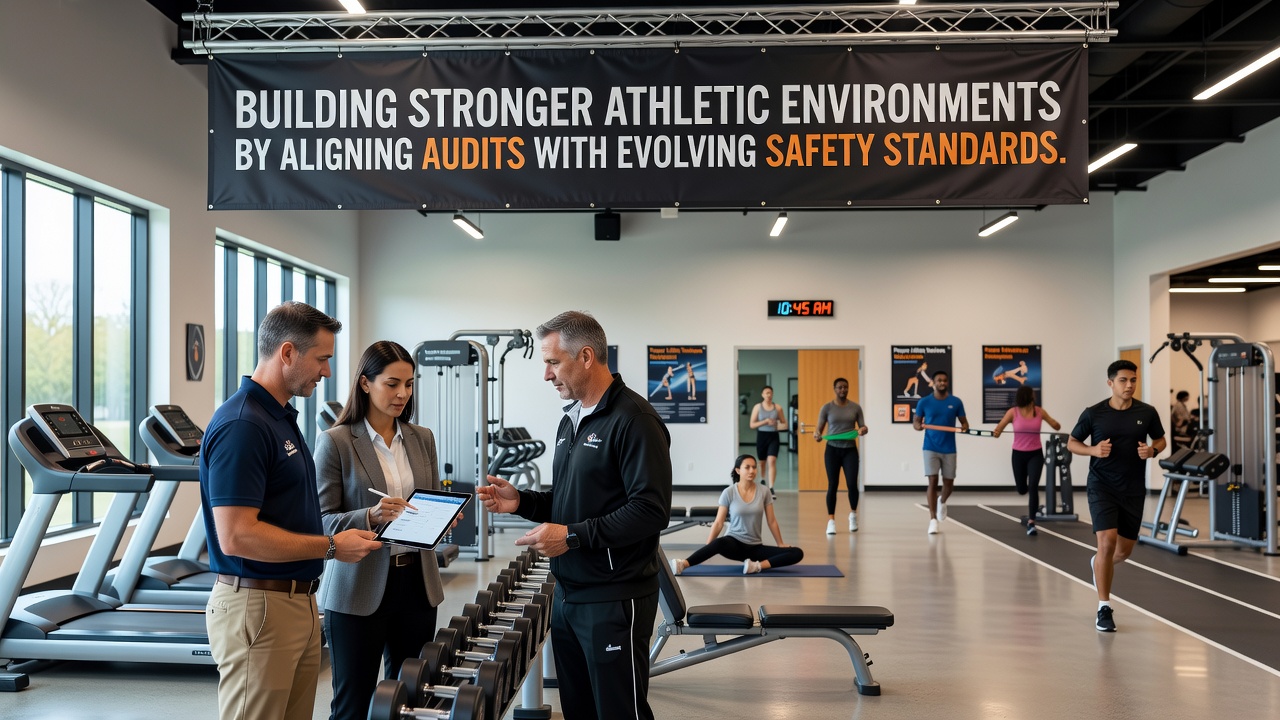
What's notable is the way seasonal evaluation patterns influence certification timelines; venues that map audit data against usage spikes adjust training frequency accordingly, preventing skill decay during lower-activity months. This synchronization extends operational lifespans for surfaces, barriers, and mechanical systems because operators catch wear patterns earlier and intervene with precise interventions.
Data Threads Driving Resource Allocation
Inspection records generate threads of information that, when channeled into dynamic budgeting systems, help administrators prioritize expenditures based on risk severity rather than arbitrary calendar triggers. Evidence from multiple U.S. state education departments demonstrates that athletic complexes using this method reduce unplanned capital outlays while maintaining alignment with updated safety mandates.
Facilities that treat audits as continuous feedback loops rather than annual checkpoints also create more resilient networks among operators across community zones. Shared datasets allow neighboring sites to anticipate common failure modes and coordinate training calendars, which spreads institutional knowledge without duplicating effort at each location.
Conclusion
Aligning audit procedures with evolving safety standards produces athletic environments where compliance becomes an embedded operational habit instead of a periodic scramble. Venues that maintain these connections through structured data flows and responsive training continue to meet regulatory expectations while supporting consistent programming for athletes and spectators alike.