Bridging Certification Programs with Real-Time Report Generation to Sustain Regulatory Compliance in Athletic Venues

Certification programs for athletic venue personnel establish baseline competencies in safety protocols, equipment handling, and emergency response procedures. These structured training pathways require participants to complete modules on hazard identification, crowd management, and regulatory standards before receiving formal credentials. Real-time report generation systems complement this foundation by capturing inspection data, maintenance logs, and compliance metrics as events unfold rather than after the fact. When these elements connect through integrated platforms, venue operators maintain continuous alignment with evolving safety mandates across multiple jurisdictions.
Core Elements of Certification Programs
Certification initiatives typically cover first aid qualifications, fire safety awareness, and structural integrity checks tailored to sports facilities. Participants engage in hands-on simulations that replicate game-day scenarios, and successful completion updates individual records within centralized databases. Data from these programs shows measurable reductions in incident rates when staff hold current credentials, according to reports issued by the U.S. Consumer Product Safety Commission. Organizations in Canada and Australia have adopted similar frameworks that tie certification renewal to documented field experience, creating accountability loops that extend beyond initial training sessions.
Mechanics of Real-Time Report Generation
Digital reporting tools allow inspectors to log observations through mobile interfaces during routine walkthroughs or post-event reviews. These systems timestamp entries, attach photographic evidence, and flag deviations against predefined regulatory checklists automatically. Reports populate dashboards accessible to compliance officers and external auditors without manual transcription delays. Research from European sports facility management studies indicates that venues using such tools resolve identified issues 40 percent faster than those relying on paper-based methods. Integration with sensor networks further automates data streams from lighting systems, seating structures, and playing surfaces.
Connecting Certification Records to Live Reporting Streams
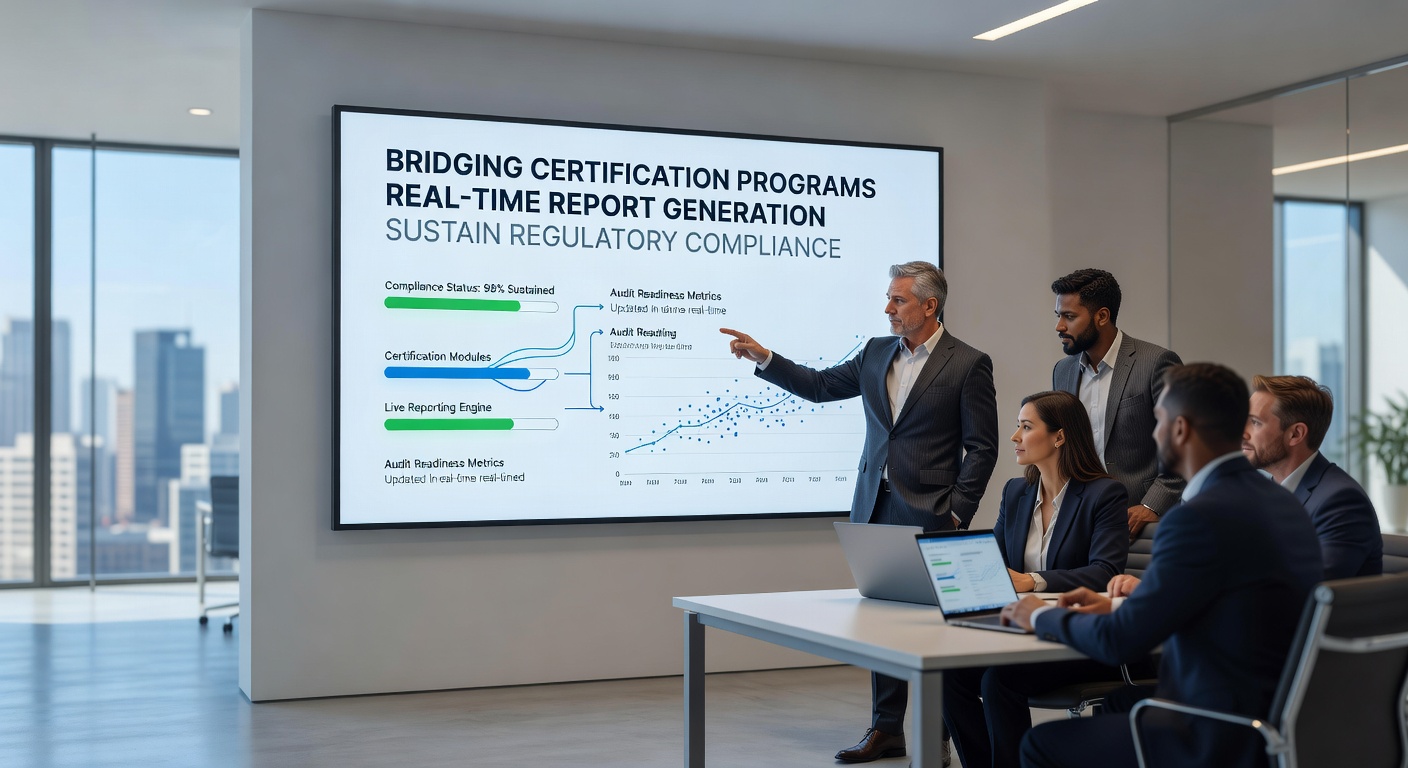
Effective bridging occurs when certification databases feed directly into reporting software, so only qualified personnel appear on duty rosters during compliance checks. Real-time platforms then verify credential status before generating shift summaries or incident summaries, and any gaps trigger automated alerts to management. This linkage prevents situations where untrained individuals perform critical tasks that later surface during regulatory reviews. Observers note that facilities adopting combined approaches demonstrate stronger audit outcomes, particularly when seasonal events increase operational complexity. In May 2026, several North American leagues plan to pilot unified platforms that cross-reference staff certifications against live inspection feeds for major stadium events.
Regulatory Compliance Outcomes
Venues that synchronize these systems record fewer violations during surprise inspections conducted by bodies such as Australia's Safe Work authorities or the European Agency for Safety and Health at Work. Automated report archives create immutable trails that satisfy documentation requirements without additional administrative overhead. When certification expirations approach, the reporting interface highlights upcoming renewals alongside pending maintenance items, allowing proactive scheduling. Figures from industry analyses reveal sustained compliance rates above 95 percent in facilities that maintain this dual infrastructure over multi-year periods.
Implementation Considerations Across Venue Types
Smaller community fields often start with modular software add-ons that import existing certification spreadsheets, whereas large arenas deploy enterprise solutions linked to access control systems. Both scales benefit from staff training that emphasizes accurate data entry during live operations, and external consultants frequently assist during initial rollout phases. One documented case involved a multi-purpose facility that reduced compliance preparation time by half after linking training records to its reporting module. Such examples illustrate practical pathways without requiring complete system overhauls.
Future Directions in Integrated Compliance
Emerging standards emphasize predictive analytics that correlate certification trends with report patterns to anticipate potential non-compliance risks before they materialize. Partnerships between training providers and software developers continue to refine data exchange protocols, and regulatory agencies monitor these developments for possible incorporation into updated guidelines. Venues tracking these shifts position themselves to adapt smoothly when new requirements emerge.
Conclusion
Linking certification programs with real-time report generation creates a closed feedback system that supports ongoing regulatory compliance in athletic venues. Staff credentials remain current, inspection findings receive immediate attention, and audit trails stay accessible for verification. Facilities applying these methods across different regions consistently meet or exceed baseline standards set by governing bodies. The approach scales from local fields to international stadiums while preserving operational flexibility.