Audit Findings Guiding Adaptive Equipment Rotation Plans Across Community Sports Complexes

Community sports complexes rely on systematic audit processes to identify equipment degradation patterns that directly shape rotation schedules. These evaluations track metrics like usage hours, material fatigue, and environmental exposure across venues ranging from municipal gymnasiums to multi-field athletic parks. Findings from such audits feed into adaptive plans that adjust rotation intervals based on real-time data rather than fixed calendars.
Audit Data Collection and Analysis Methods
Inspectors gather quantitative records during site visits by measuring variables such as tensile strength in netting systems, joint stability in portable goals, and surface integrity on training mats. Digital logging tools capture timestamps and location tags, which analysts later cross-reference with usage logs from facility management software. Patterns emerge when repeated audits flag accelerated wear in high-traffic zones, prompting planners to shorten rotation cycles for those specific items while extending intervals for less stressed components.
Research from the Australian Institute of Sport indicates that complexes incorporating quarterly audit cycles see measurable reductions in unexpected downtime because rotation decisions align more closely with observed conditions. Analysts sort findings into categories like structural stress, corrosion levels, and compliance gaps, then apply weighted scoring models to prioritize which equipment moves first in any given rotation sequence.
Translating Findings Into Rotation Frameworks
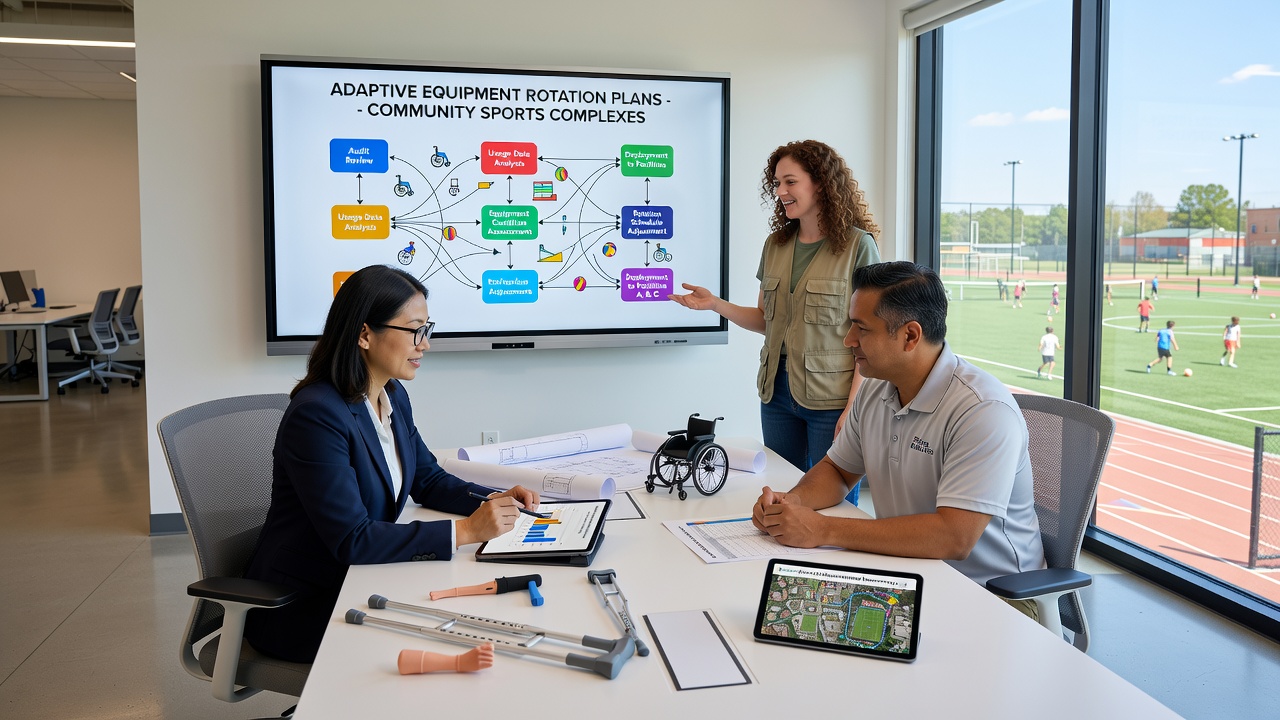
Once audit reports compile the data, facility operators map results onto dynamic rotation matrices that account for seasonal demand spikes and regional climate factors. For example, outdoor complexes in temperate zones adjust net and padding rotations ahead of summer program surges, whereas indoor venues focus on mat and barrier replacements tied to winter league schedules. The adaptive element comes from feedback loops where post-rotation audits confirm whether prior adjustments achieved the intended lifespan extensions.
Equipment categories often follow distinct pathways. Goalposts and boundary markers rotate based on impact frequency data, while protective padding follows humidity and abrasion readings. Planners integrate these streams into centralized dashboards that flag items approaching threshold limits, allowing preemptive swaps before failures occur during scheduled events.
Implementation Examples Across Regions
One multi-sport hub in the Pacific Northwest revised its soccer goal rotation timeline after audits revealed faster frame corrosion near irrigation lines. The updated plan shifted high-use units to lower-exposure storage areas every eight weeks instead of the previous twelve-week cycle, with verification checks inserted at the midpoint. Similar adjustments occurred at Canadian community centers where mat rotation accelerated following findings on seam separation rates during youth programs.
In July 2026, several U.S. municipal districts incorporated new audit-derived thresholds into their equipment plans following updates from the Consumer Product Safety Commission on synthetic turf accessories. Complexes responded by rotating boundary cones and training ladders more frequently in facilities reporting elevated UV degradation scores. These changes synchronized with existing maintenance calendars rather than creating separate workflows.
Coordination With Staff Training and Resource Allocation
Rotation plans succeed when audit outputs connect directly to staff skill updates and inventory tracking. Supervisors assign team members to specific verification tasks based on equipment categories flagged in recent reports, which ensures that personnel handling frequent swaps maintain current certifications on safety protocols. Resource allocation shifts accordingly, with budgets redirected toward items showing the steepest decline curves rather than uniform replacement across all assets.
Facilities that link audit findings to these operational layers report steadier compliance records because rotation decisions reflect actual field conditions instead of generic manufacturer guidelines. Cross-training programs incorporate case examples from prior audits so operators recognize early indicators of wear that warrant schedule revisions.
Conclusion
Audit findings serve as the foundation for adaptive equipment rotation plans that keep community sports complexes operational and compliant. By channeling inspection data into responsive scheduling systems, operators maintain equipment performance across varying usage demands and environmental conditions. Continued refinement of these data-to-action pathways supports longer service life for shared athletic resources while meeting evolving safety expectations.