Audit Data Flows Informing Adaptive Maintenance Timelines Across School Playing Fields
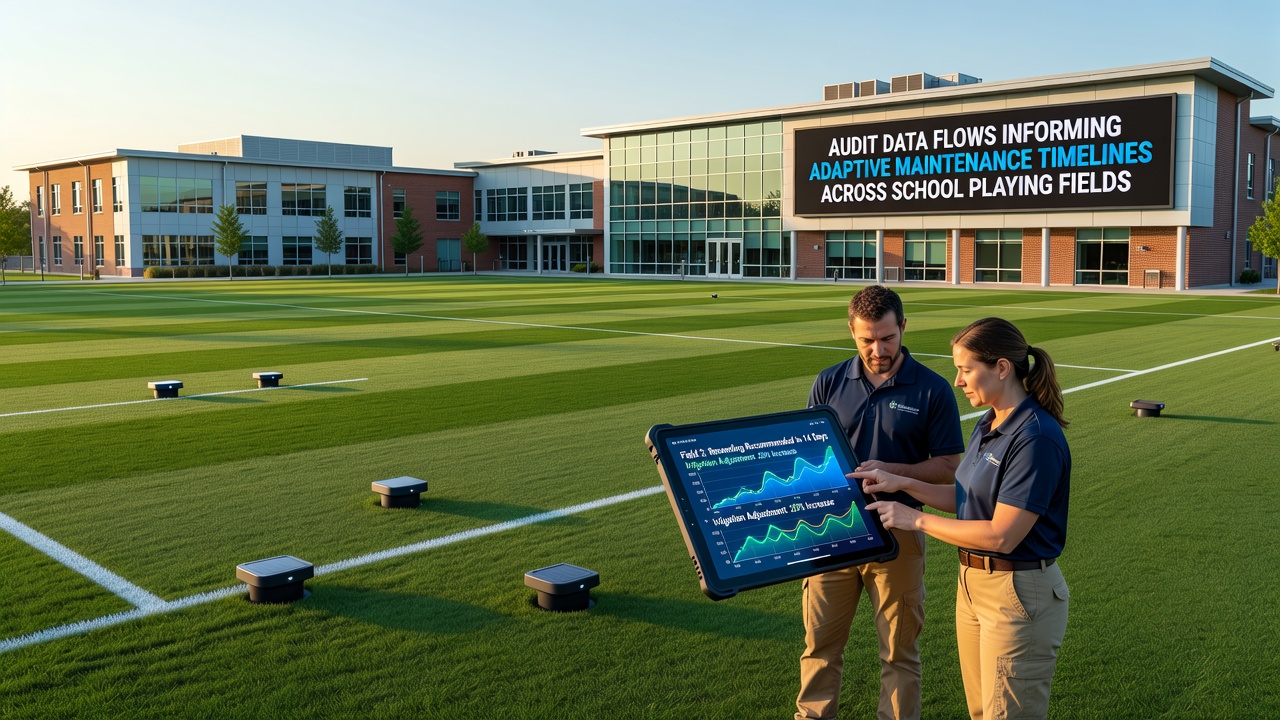
School districts across multiple regions now route inspection outputs directly into maintenance scheduling platforms that adjust timelines based on real-time field conditions. Data collected during routine audits moves through centralized systems where algorithms compare wear patterns, soil compaction rates, and drainage performance against historical benchmarks.
How Audit Outputs Enter Maintenance Systems
Technicians capture measurements on turf density, goalpost stability, and surface grading during each visit, then upload these records to district databases that feed predictive models. These models recalibrate service intervals when readings exceed set thresholds, such as when grass recovery rates drop below regional averages documented by agricultural extension services.
One district in the Midwest integrated sensor data from irrigation monitors with quarterly audit summaries, allowing crews to shift aeration dates forward by several weeks when compaction levels rose after heavy spring use. Similar setups appear in Canadian provinces where provincial education ministries publish facility condition indices that schools cross-reference with local audit streams.
Regional Examples of Data-Driven Adjustments
Schools in New South Wales have linked playing field evaluations to state-level asset management platforms that automatically extend or shorten mowing cycles based on rainfall data combined with grass height measurements. Reports from the New South Wales Department of Education show how these linked datasets reduced unplanned closures by aligning crew visits with actual field stress indicators rather than fixed calendars.
European municipalities have piloted comparable flows where audit software transmits findings on synthetic turf seam integrity to maintenance dashboards that trigger targeted repairs before seasonal tournaments. Observers note that these connections shorten response windows from months to days when degradation metrics climb above baseline values recorded in prior seasons.
Technology Supporting Continuous Data Movement
Cloud-based platforms now accept inputs from handheld devices used on-site and from embedded soil probes, creating continuous streams that update maintenance forecasts nightly. Districts using these tools report that adaptive timelines incorporate variables such as student foot traffic volumes tracked through access logs and weather station outputs from nearby airports.
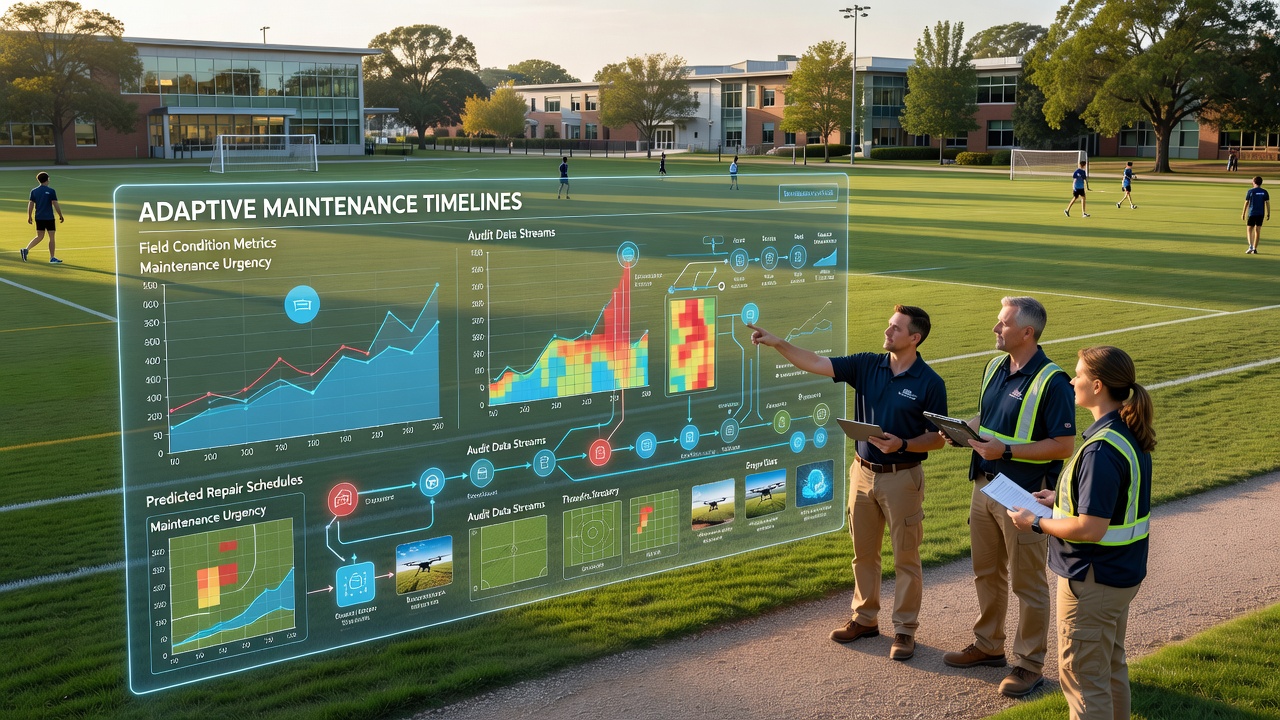
Staff training modules incorporate case examples where delayed data uploads caused temporary misalignment between predicted and actual field conditions, prompting districts to enforce same-day entry protocols. These protocols rely on standardized templates that categorize findings by urgency level so the system can prioritize actions without manual sorting.
Looking Toward June 2026 Implementation Milestones
Planning documents circulated among U.S. school facility associations indicate many districts intend to complete full integration of audit-to-maintenance data pipelines by June 2026. These roadmaps reference pilot programs already running in several states where daily sensor feeds adjust irrigation and fertilization schedules on multi-use fields shared by physical education classes and community sports leagues.
Analysts at the National Center for Education Statistics have tracked facility condition trends that support the shift toward dynamic scheduling, noting that static calendars often leave fields either over-serviced or under-maintained depending on seasonal usage spikes. The move to adaptive models builds on these observations by letting audit outputs drive precise resource allocation.
Conclusion
Audit data flows now function as the primary signal directing when and where maintenance crews intervene on school playing fields. As more districts connect inspection records to scheduling engines, timelines shift from preset intervals to responses calibrated against actual measured conditions, supporting longer operational periods between major interventions while addressing emerging issues at the earliest detectable stage.